
St. John invites visitors to experience the Caribbean at a slower, more nature-focused pace. The island combines white-sand beaches, coral reefs, forested hills, historic ruins and welcoming communities, creating activities for beach lovers, hikers, families, couples and outdoor adventurers. From snorkeling in protected bays to exploring Cruz Bay and hiking through Virgin Islands National Park, the variety of things to do in St. John, USVI, makes it possible to build an itinerary around both adventure and relaxation.
Virgin Islands National Park is the centerpiece of the island and protects approximately 60% of St. John. Its landscapes preserve beaches, forests, hiking trails, historic plantation sites and surrounding marine environments. Visitors can begin at the National Park Visitor Center in Cruz Bay before choosing from more than 20 trails that range from gentle nature walks to challenging routes through steep tropical terrain.
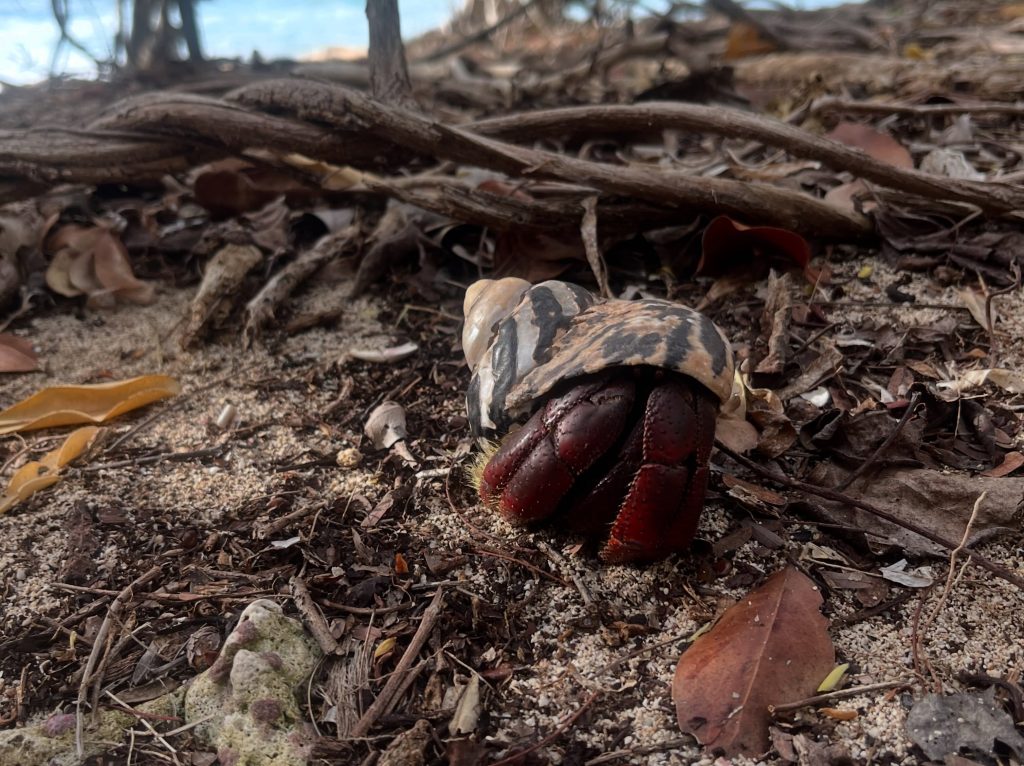
The beaches of St. John are among the island’s most popular places to visit. Trunk Bay is known for its sweeping shoreline, clear water and snorkeling opportunities, while Cinnamon Bay offers a long beach with swimming, watersports and access to nearby trails and historical ruins. Maho Bay is popular for calm water, paddleboarding and the possibility of observing sea turtles feeding in seagrass areas. Honeymoon Beach, Hawksnest Bay, Francis Bay, Salt Pond Bay and Lameshur Bay provide additional choices for swimming, snorkeling, picnicking and peaceful beach days. Water conditions and marine visibility can change, so visitors should evaluate conditions before entering the sea.
Hiking is one of the best ways to see a different side of St. John. The Ram Head Trail leads through a dry coastal landscape toward expansive sea views, while the Reef Bay Trail passes tropical forest, historic stonework, plantation-era ruins and ancient Taino petroglyphs. Cinnamon Bay, Lind Point, Francis Bay and Peace Hill provide additional walking opportunities with different lengths and difficulty levels. Hikers should carry sufficient water, wear sturdy footwear, use sun protection and begin longer routes early to avoid the strongest afternoon heat. The Reef Bay Trail is considered strenuous, and travelers should evaluate their fitness and transportation arrangements before attempting it.
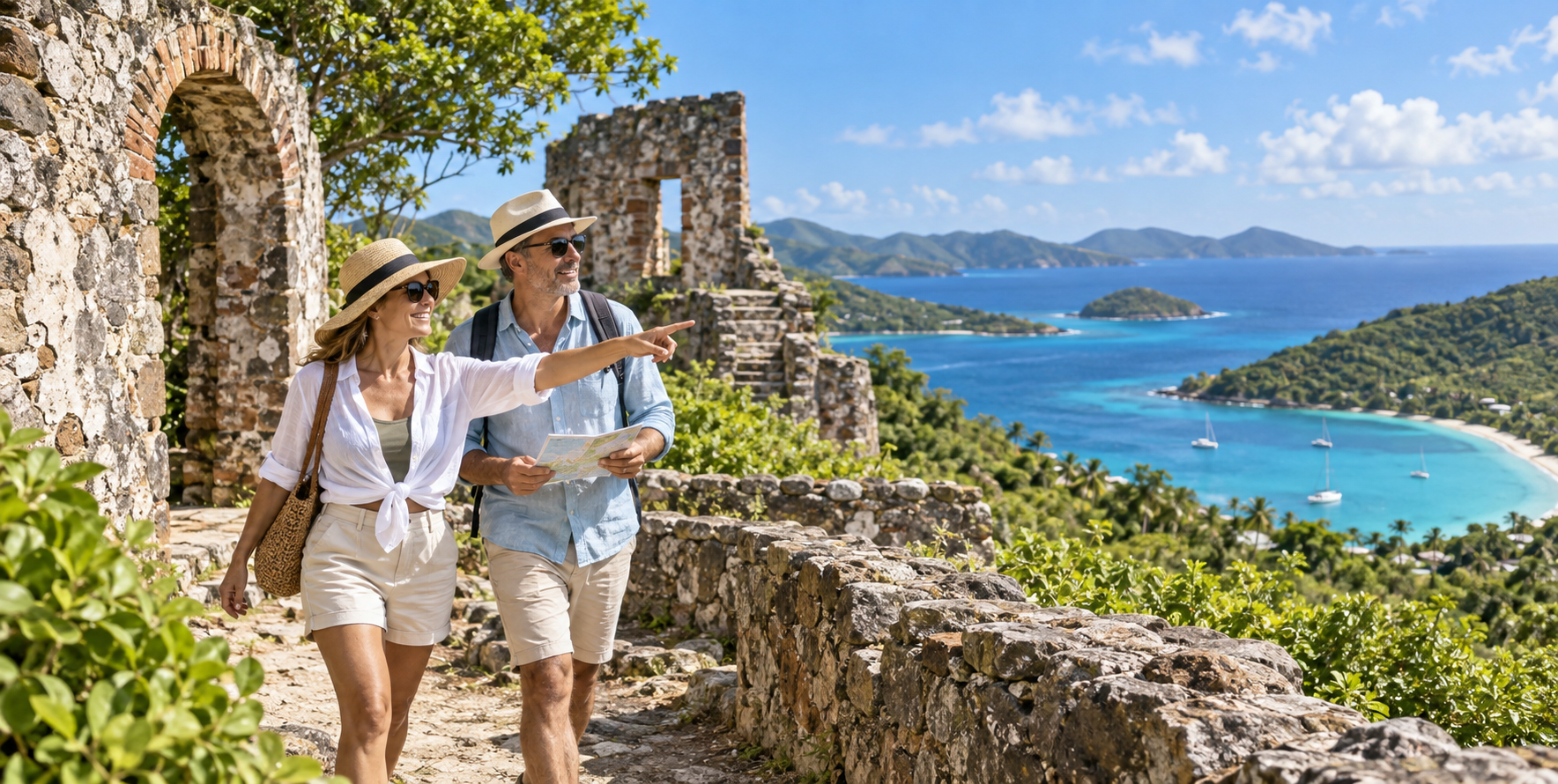
The historic places to see in St. John add essential context to its natural beauty. Annaberg and other plantation ruins reveal parts of the island’s Danish colonial history and the experiences of enslaved Africans whose labor supported the plantation economy. Petroglyph sites preserve evidence of the Indigenous Taino presence that predates European colonization. Guided walks and ranger-led programs can help visitors understand this layered history with greater accuracy and respect.
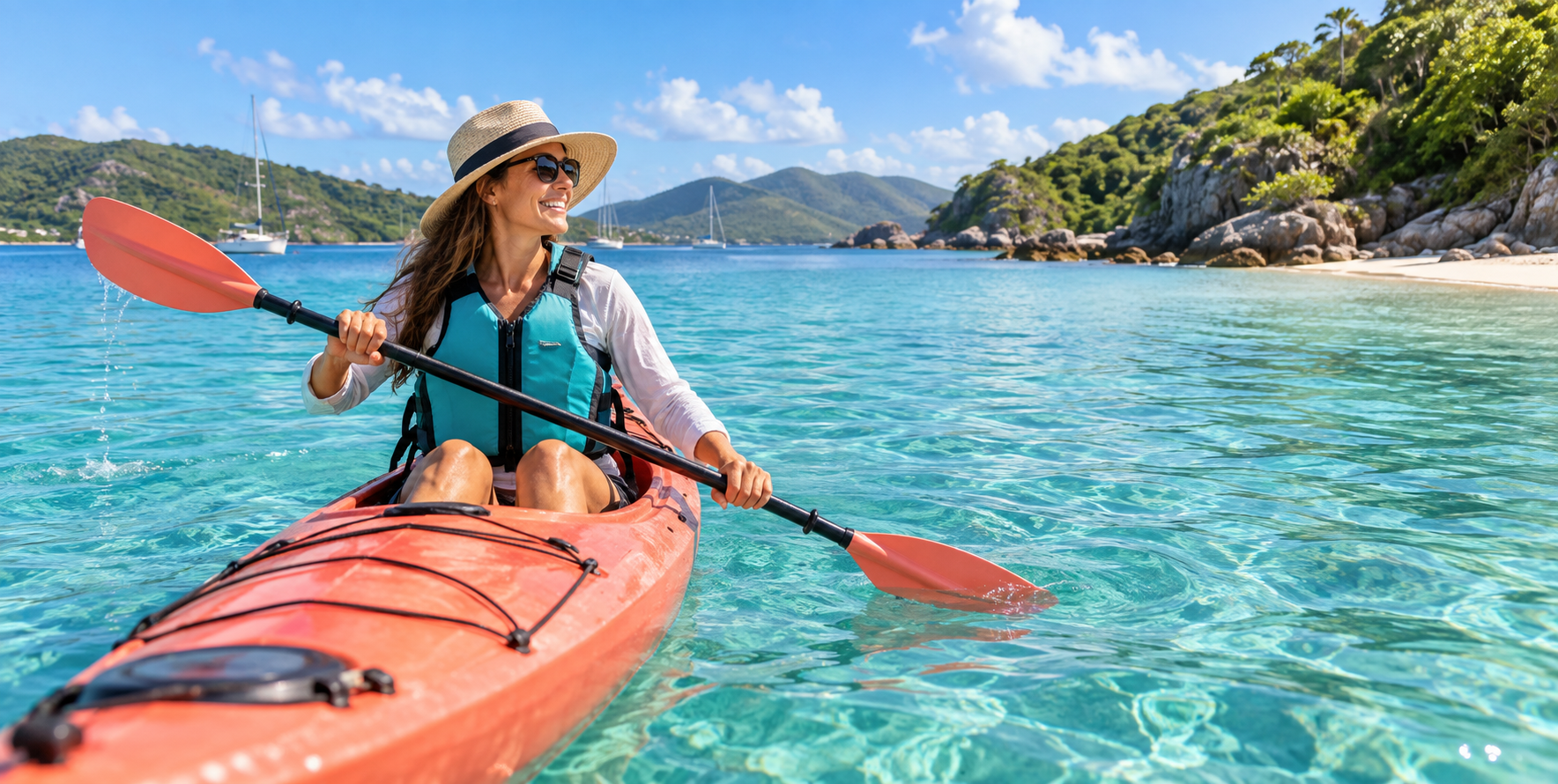
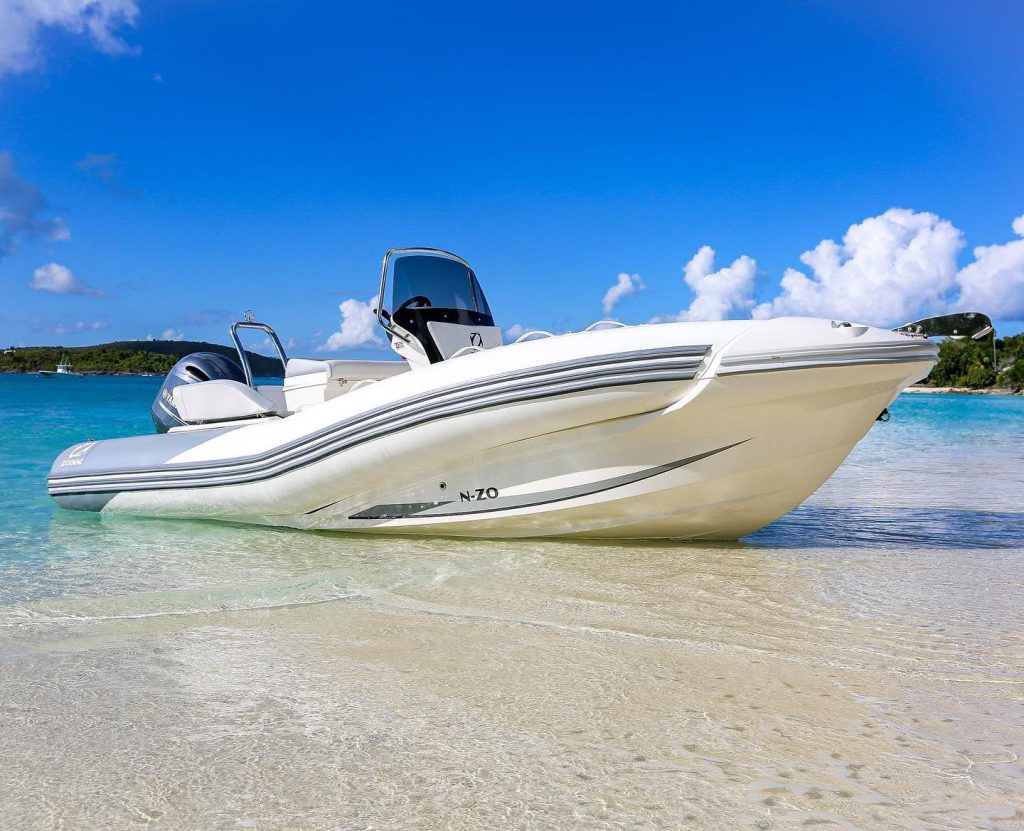
St. John also offers a wide selection of water-based activities. Travelers can book sailing trips, private boat charters, kayaking excursions, paddleboard rentals, fishing trips, scuba diving and guided snorkeling tours. The waters around the island include coral habitats, seagrass beds, mangroves and sheltered bays that support diverse marine life. Visitors should use approved mineral sunscreen, avoid touching coral or wildlife and choose experienced operators who follow responsible marine practices. Boat, eco and specialty tours can also provide access to locations that are less convenient to reach independently.
Cruz Bay is the island’s primary arrival point and its liveliest center for shopping, dining and evening entertainment. Visitors can browse locally owned boutiques, purchase island-inspired art and gifts, enjoy Caribbean cuisine or relax at a waterfront restaurant. Coral Bay, on the eastern side of St. John, offers a quieter and more laid-back atmosphere with local restaurants, small businesses and access to boating and outdoor activities. Exploring both communities allows travelers to experience two distinct sides of island life.
Families can combine calm beaches, short nature walks, snorkeling and guided activities, while couples may prefer secluded coves, scenic hikes, private charters and sunset dining. Travelers with limited mobility should contact beaches, tour operators and transportation providers directly because accessibility varies considerably across the island’s steep terrain and natural sites. Car rentals and taxis are useful for reaching many St. John attractions, and the National Park Service recommends vehicle transportation because roads are narrow, steep and winding.
When planning what to do in St. John, balance popular attractions with enough time to enjoy the island without rushing. Arrive early at well-known beaches, reserve tours and rental vehicles in advance during busy travel periods and check current National Park conditions, fees and access notices before setting out. A well-planned St. John itinerary can bring together beaches, hiking, snorkeling, history, local food and scenic drives while preserving the relaxed character that makes the island memorable.
 DIRECT BUSINESS CONTACT
NATIONAL PARK & ECO EXPERIENCE
ST. JOHN EXPERIENCE
 BEACH & NATURE
DIRECT BUSINESS CONTACT
ST. JOHN EXPERIENCE
 BEACH & NATURE
DIRECT BUSINESS CONTACT
ST. JOHN EXPERIENCE
DIRECT BUSINESS CONTACT
NATIONAL PARK & ECO EXPERIENCE
ST. JOHN EXPERIENCE
BEACH & NATURE
DIRECT BUSINESS CONTACT
ST. JOHN EXPERIENCE
BEACH & NATURE
DIRECT BUSINESS CONTACT
ST. JOHN EXPERIENCE

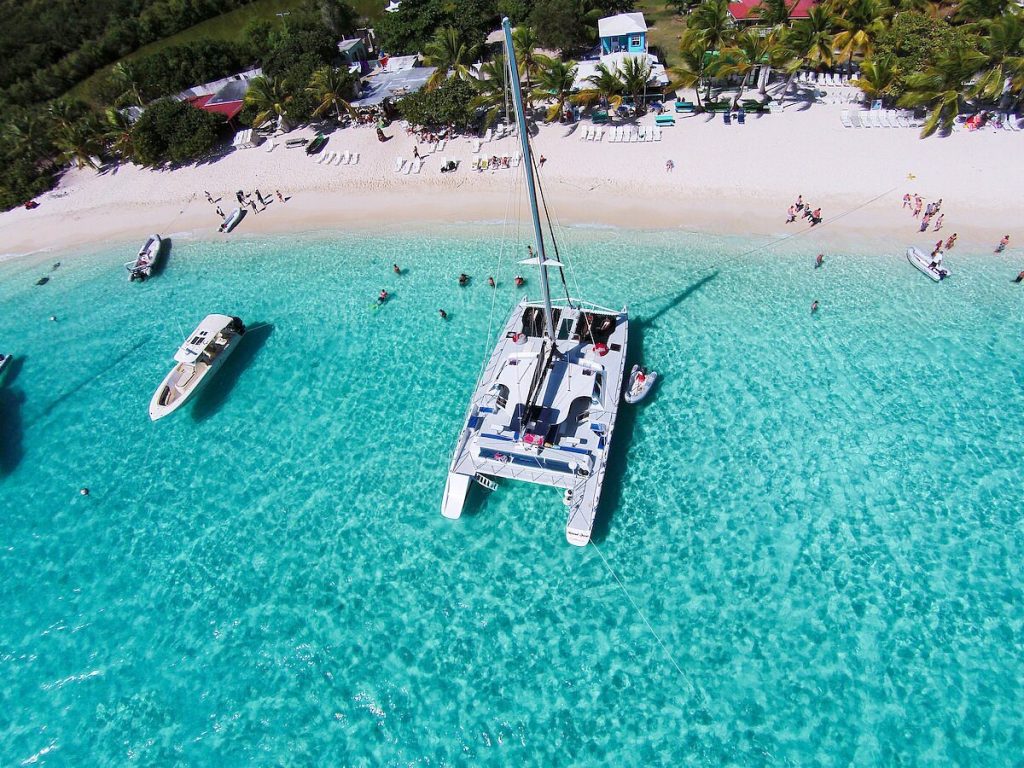



Swim, snorkel or relax at celebrated coastal spots such as Trunk Bay, Cinnamon Bay, Maho Bay and Honeymoon Beach, where visitors may encounter tropical fish, colorful coral and sea turtles in their natural habitat.

Discover the island’s natural beauty along scenic hiking trails within Virgin Islands National Park. Routes through tropical forests, coastal hills and historic landscapes lead to panoramic viewpoints, secluded coves, plantation ruins and ancient cultural sites, offering outdoor activities for casual walkers and experienced hikers alike.

Add adventure to your St. John vacation with kayaking, paddleboarding, sailing, scuba diving, snorkeling tours and guided eco-excursions. Travelers can choose from relaxing experiences on sheltered bays or more active outings that reveal the island’s coastline, marine habitats and remarkable scenery from a new perspective.

Go beyond the beaches by visiting historic places in St. John, including the Annaberg Sugar Plantation ruins, Reef Bay’s cultural sites and other reminders of the island’s complex past. Local tours, heritage experiences, art, music and island cuisine provide meaningful ways to learn about St. John’s history and living Caribbean culture.
Spend time exploring Cruz Bay and Coral Bay, two of the most popular places to visit in St. John. Cruz Bay offers restaurants, cafés, shops, galleries and convenient access to visitor services, while Coral Bay is known for its laid-back atmosphere, scenic surroundings and relaxed local dining. Together, they provide an inviting complement to the island’s beaches, trails and outdoor adventures.
From snorkeling at picturesque beaches and hiking through Virgin Islands National Park to exploring historic landmarks, joining watersports excursions and experiencing local culture, there are things to do in St. John for couples, families, nature lovers and adventure seekers. Compare St. John attractions, activities, guided tours and places to visit to create a USVI itinerary that balances outdoor discovery, cultural experiences and time to unwind.
Plan time for St. John’s beaches, national park trails, historic sites, and a ferry ride from St. Thomas.
Start in Cruz Bay and choose one north shore beach, such as Trunk Bay or Cinnamon Bay. If you have more time, add a short walk in Virgin Islands National Park or a visit to Annaberg to learn about the island’s history.