
Discover St. John
Explore St. John
Island Flavours
Discover St. John
Explore St. John
Island Flavours
VISIT St. John
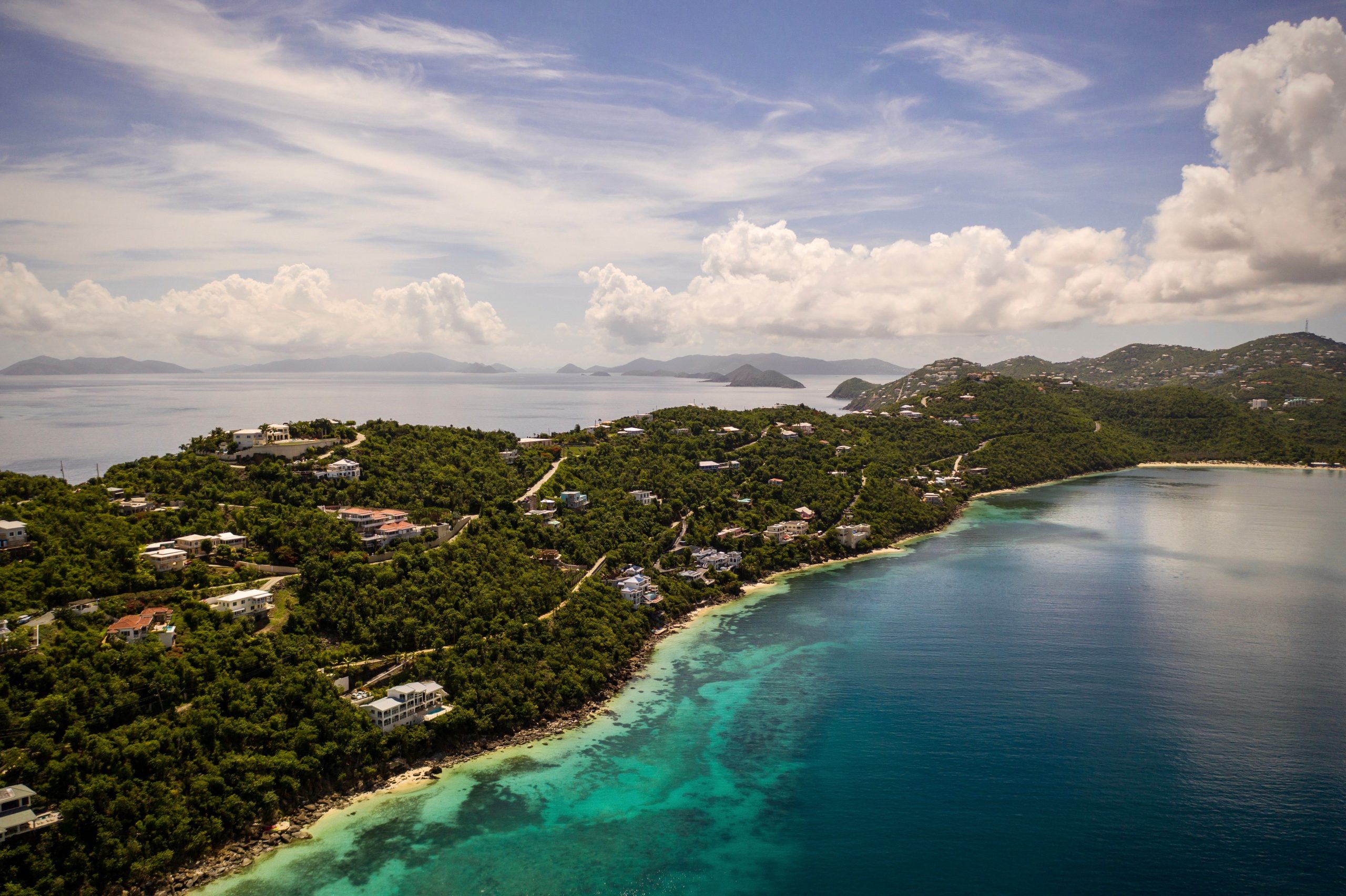
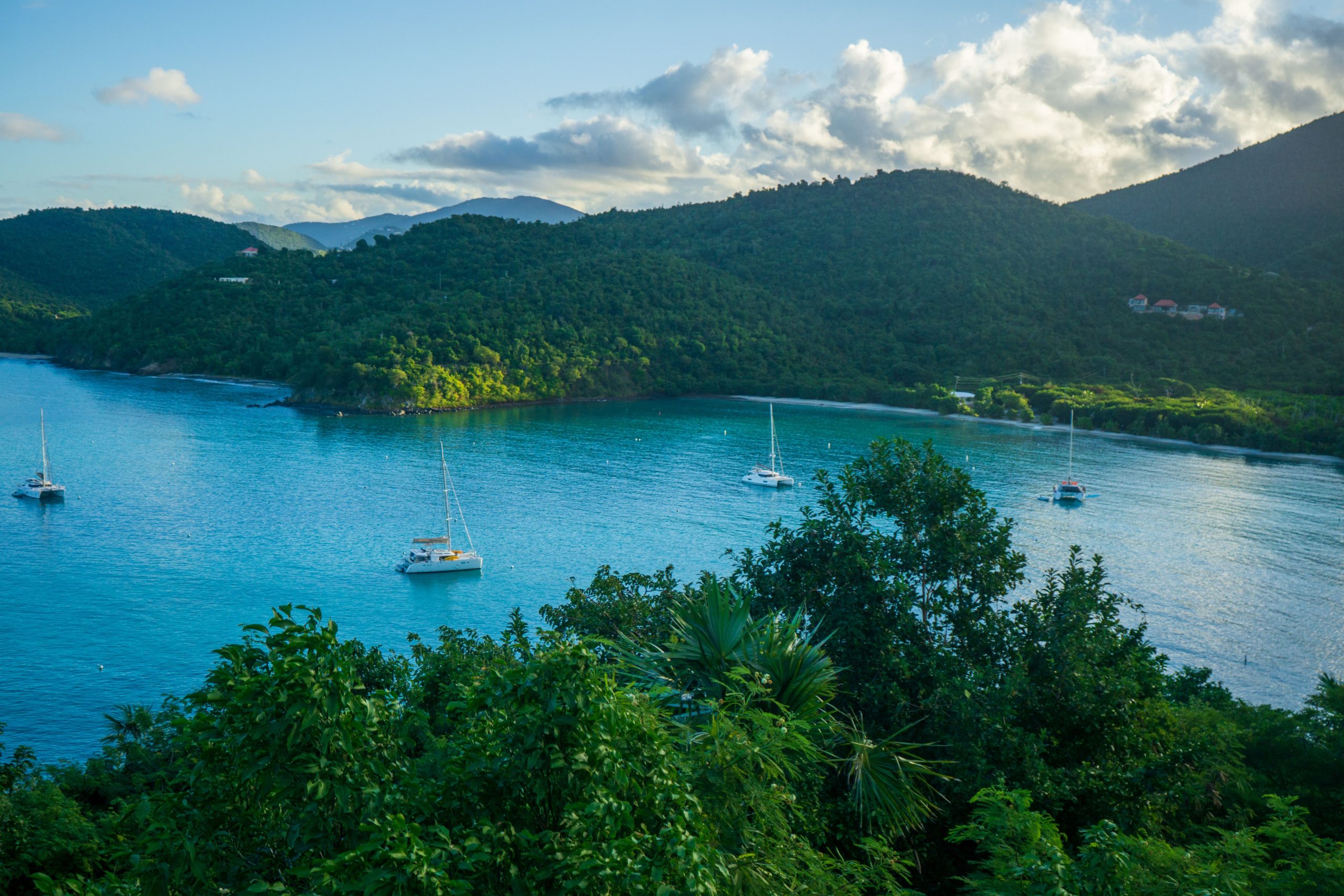
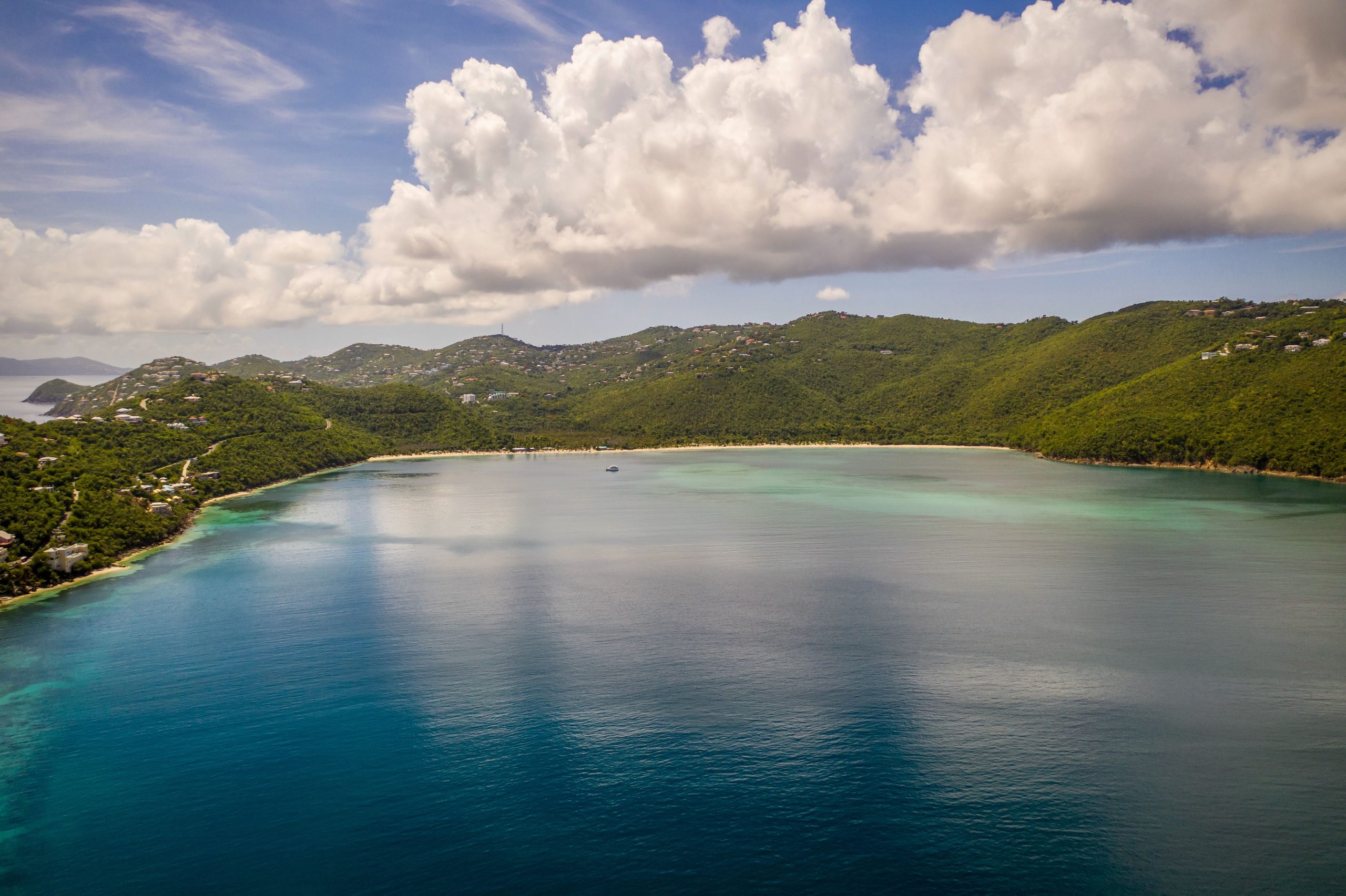
St. John is a naturally beautiful Caribbean island known for protected landscapes, white-sand beaches, coral reefs, scenic hiking trails, and a relaxed pace of life. Much of the island is preserved within Virgin Islands National Park, giving travelers easy access to forests, historic ruins, coastal viewpoints, and some of the most memorable beaches in the USVI.
Whether you are planning a romantic escape, family vacation, outdoor adventure, or peaceful retreat, St. John offers an inviting mix of nature, culture, dining, shopping, and watersports. This St. John travel guide helps you decide where to stay, what to do, how to reach the island, and how to explore responsibly.

Explore St. John Island
Discover the quieter, nature-filled side of the U.S. Virgin Islands. Plan your St. John getaway with helpful information on hotels, villas, beaches, hiking, snorkeling, dining, ferry travel, and unforgettable island experiences.




Where To Stay
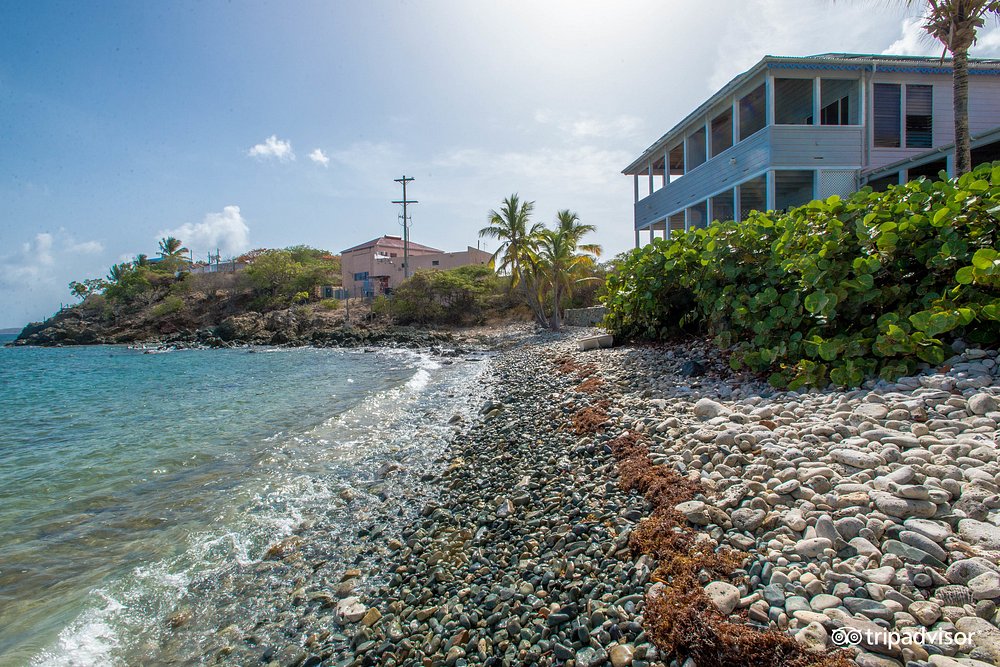
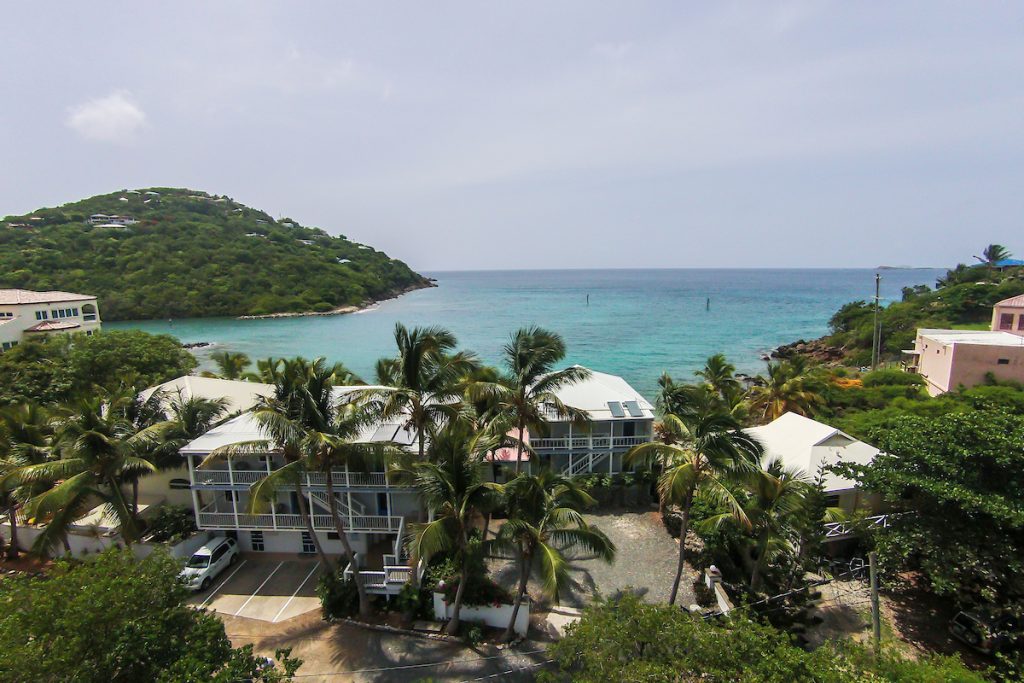
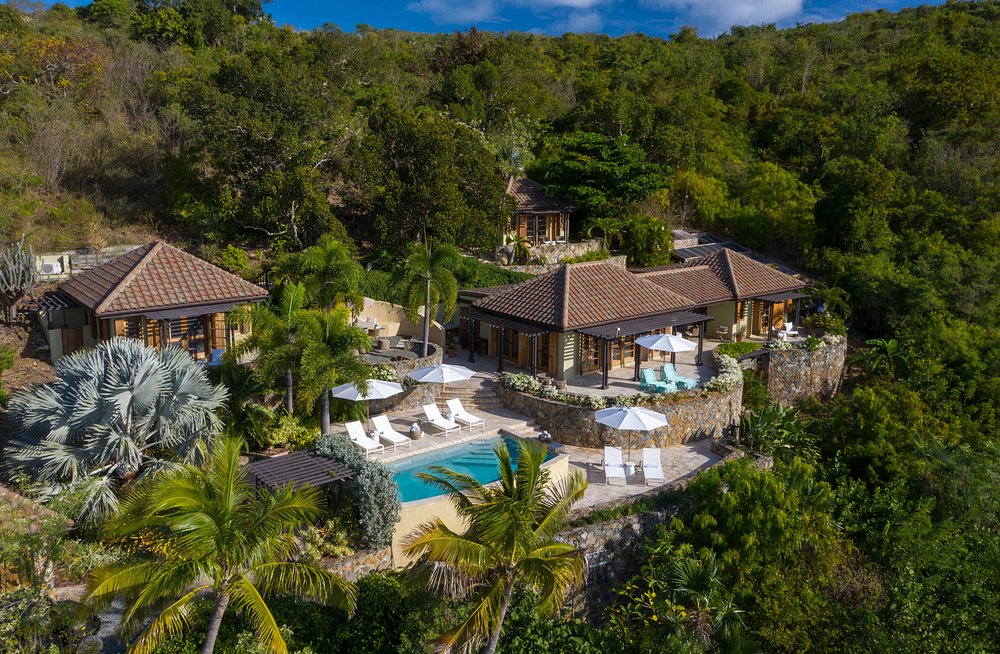
St. John accommodations range from waterfront boutique hotels and full-service resorts to private villas, hillside cottages, vacation rentals, guesthouses, and campground stays. Travelers searching for where to stay in St. John should compare areas based on ferry access, beaches, dining, transportation, and the type of island experience they prefer.
Stay near Cruz Bay for restaurants, shopping, nightlife, and easier ferry connections. Choose Coral Bay for a quieter escape close to nature and the island’s eastern beaches. Hillside villas offer privacy and panoramic views, while beachfront and resort-style properties provide convenient access to the water.
- Beachfront & Waterfront Stays
- Private Villas
- Boutique Hotels
- Eco-Friendly Options






Things To Do
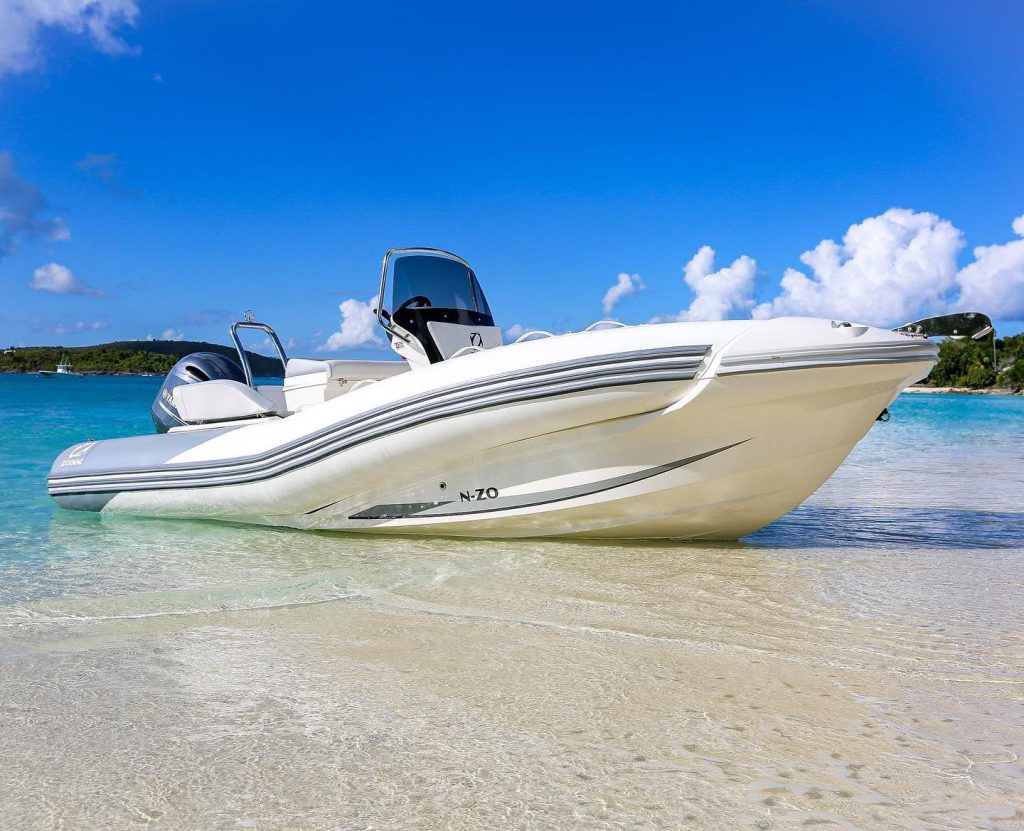
Things to do in St. John centre on nature, water, history, and slow island exploration. Visitors can hike through Virgin Islands National Park, snorkel above coral reefs, kayak protected bays, join sailing trips, explore historic ruins, shop in Cruz Bay, or simply spend the day beside the Caribbean Sea.
Popular activities include swimming, snorkeling, scuba diving, sailing, kayaking, hiking, birdwatching, archaeology, and guided island tours. Travelers can choose gentle sightseeing experiences or more active adventures depending on their ability and travel style.
- Virgin Islands National Park
- Snorkeling & Sailing
- Hiking & Nature Trails
- Historic Island Sites
Beaches in St. John
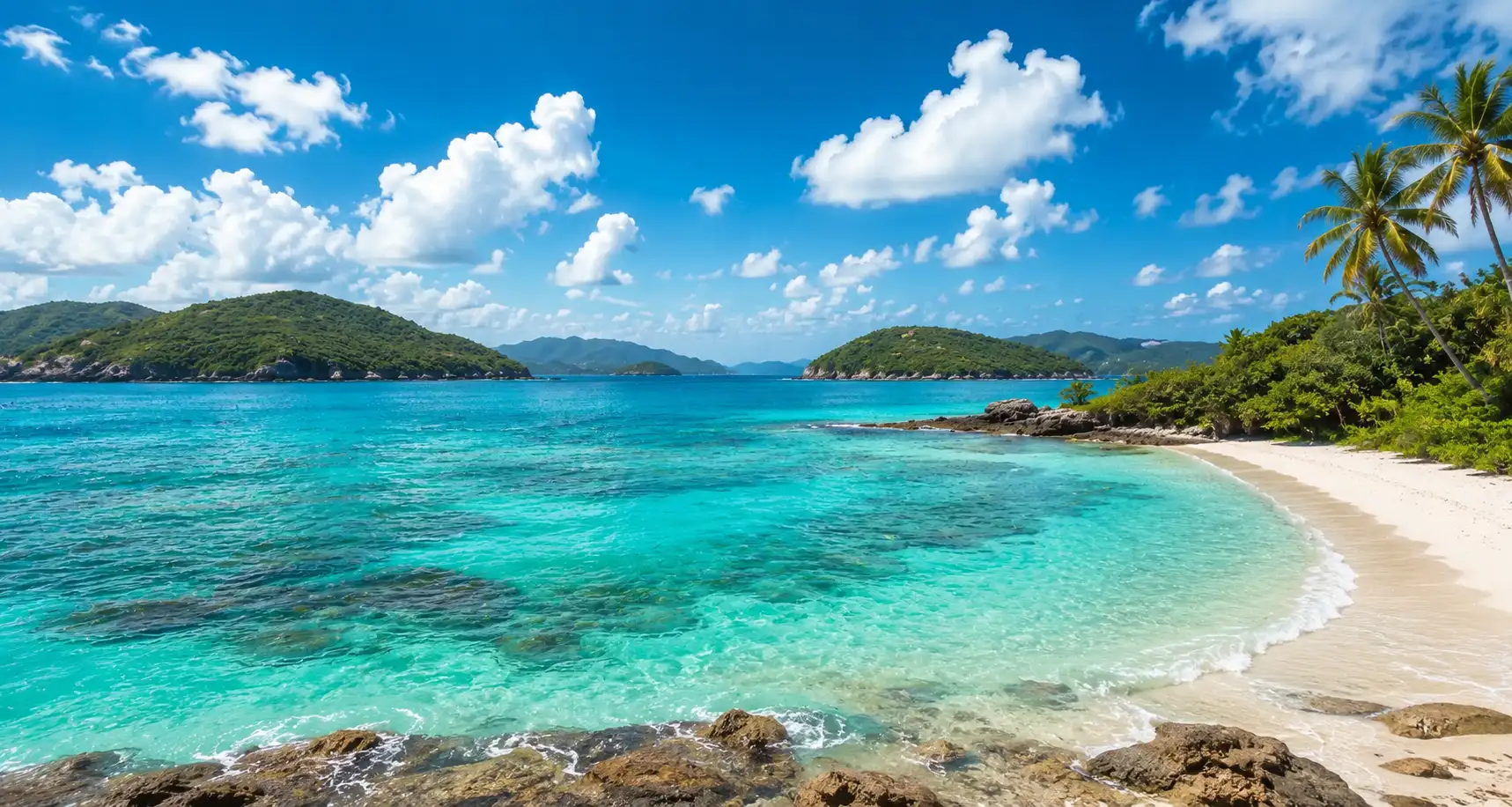
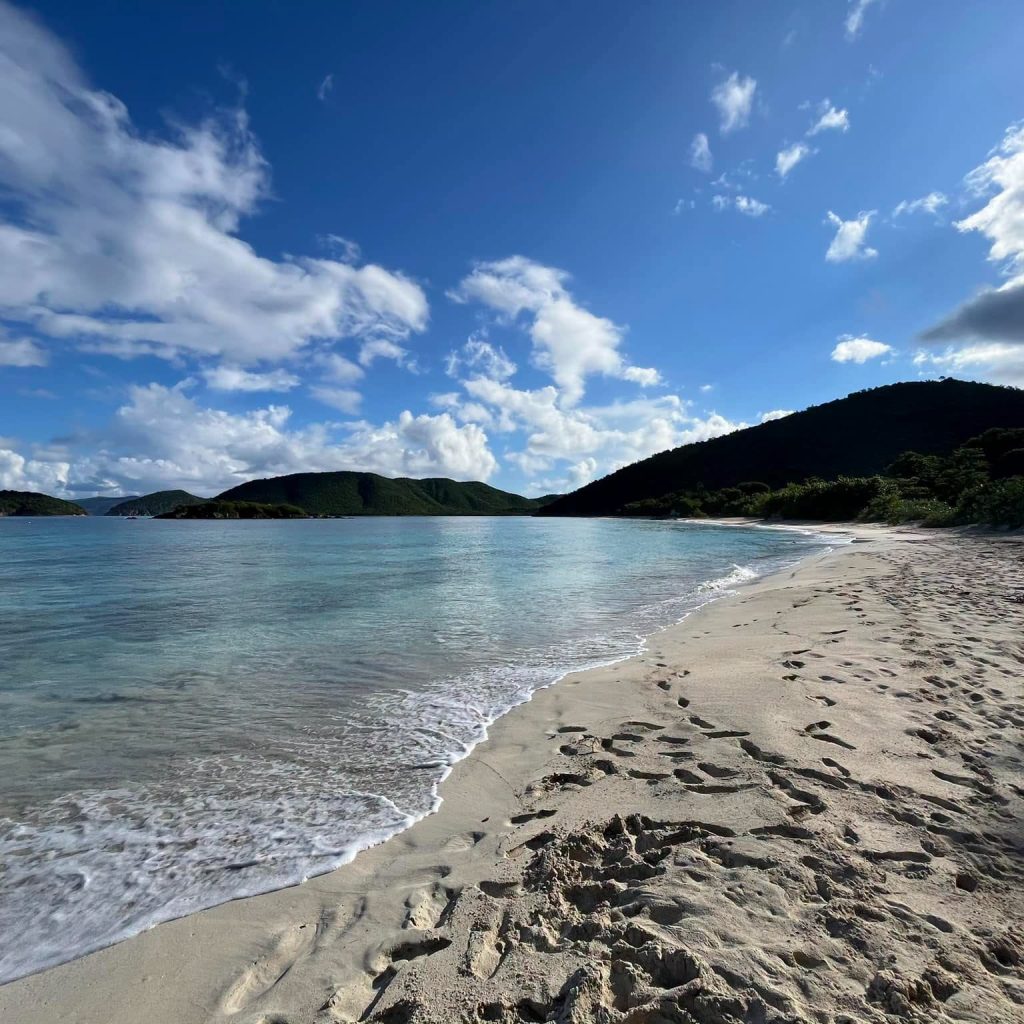
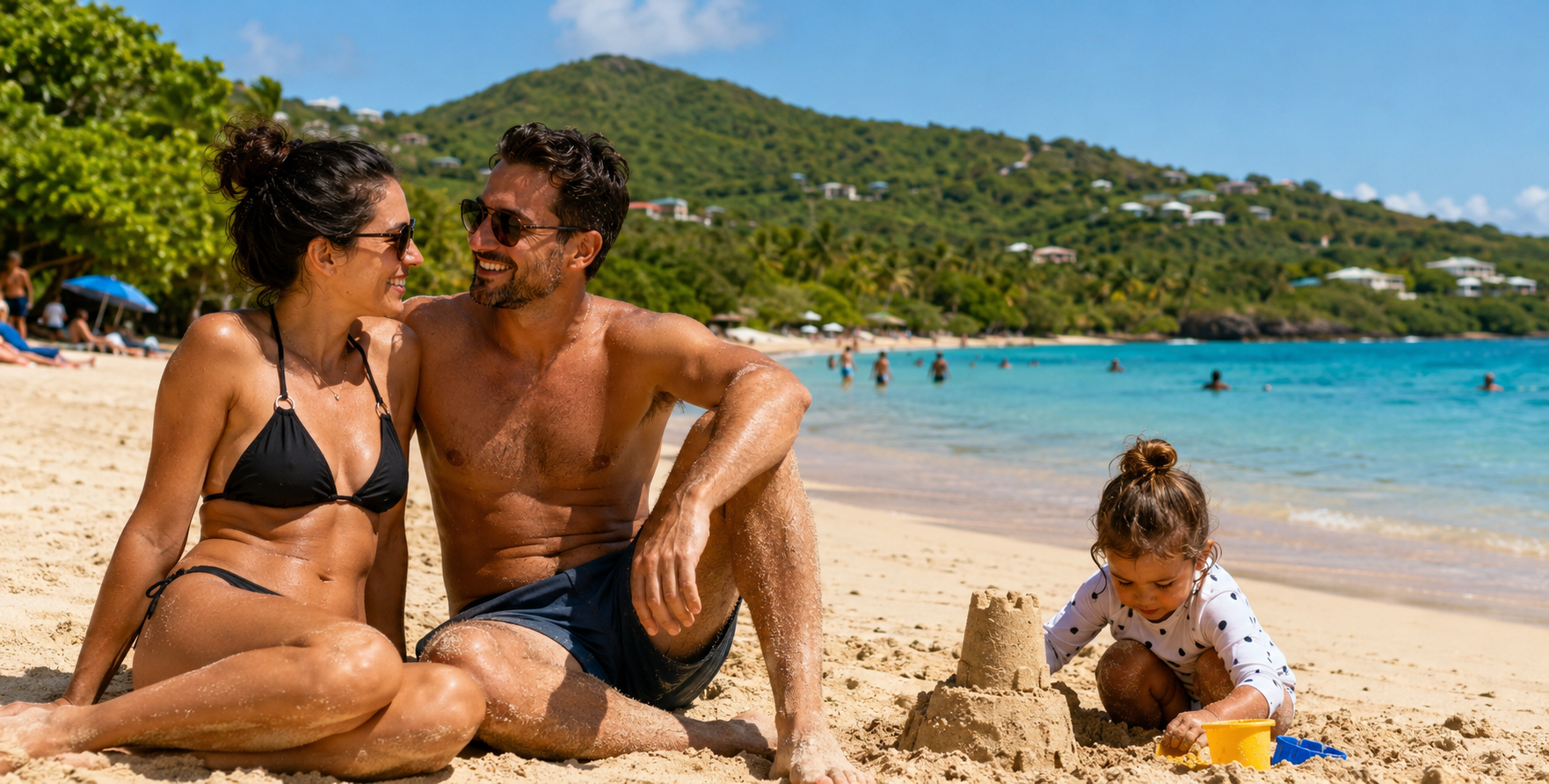
Beaches in St. John are among the island’s defining attractions. Travelers can choose from popular North Shore beaches with visitor facilities, quieter bays reached by road, and more secluded coastal areas accessed by trail or boat.
Trunk Bay is known for its white sand and underwater snorkeling trail. Cinnamon Bay combines a long beach with access to historic surroundings, while Maho Bay is popular for its calm water. Hawksnest, Francis Bay, Salt Pond Bay, Honeymoon Beach, and other coastal areas each offer a different balance of swimming, snorkeling, scenery, and accessibility.
Beach facilities and conditions vary. Some locations have restrooms, rentals, food service, or accessible paths, while others require visitors to bring water, food, shade, and suitable footwear.

Where To Eat in St. John
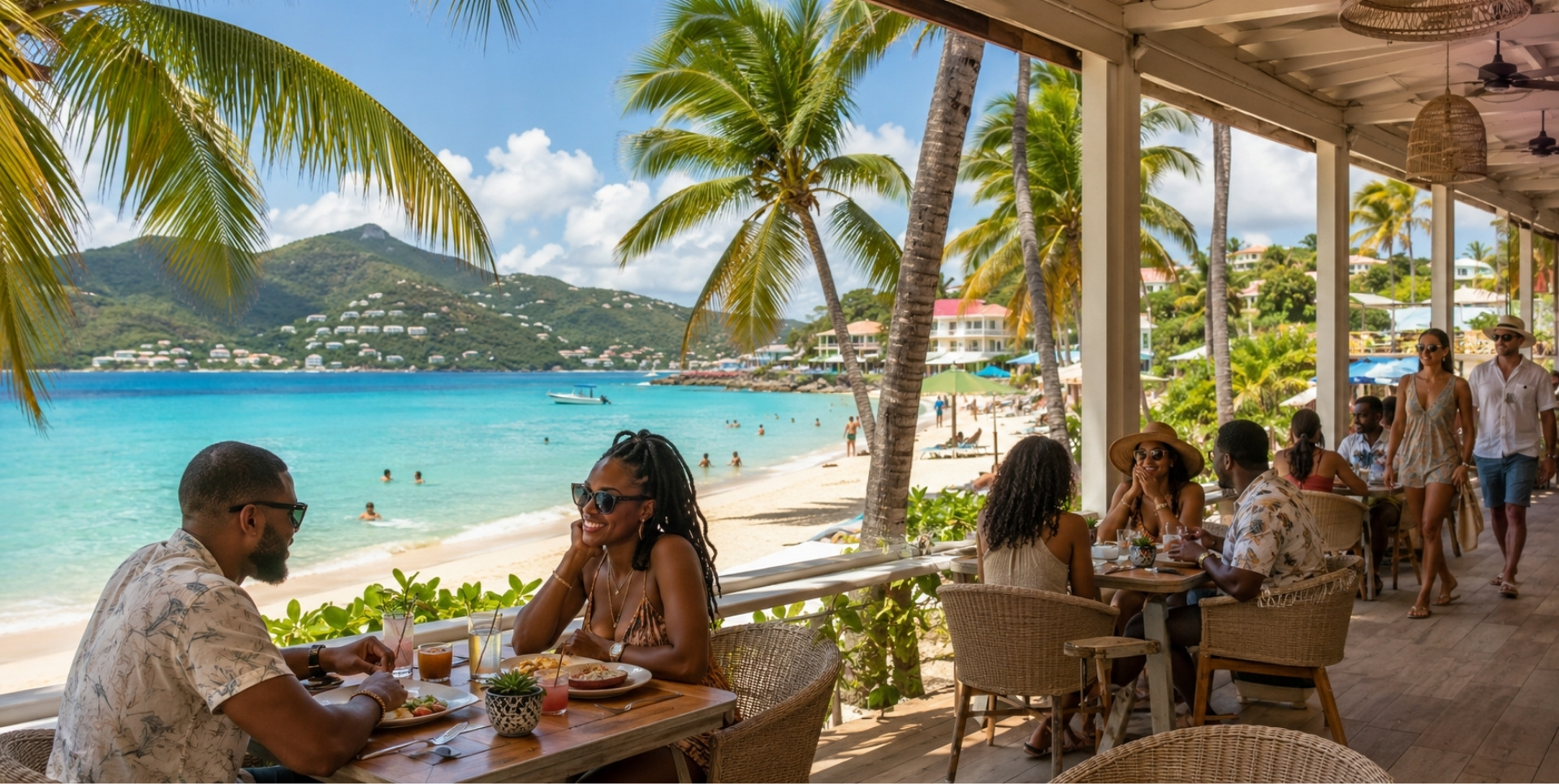
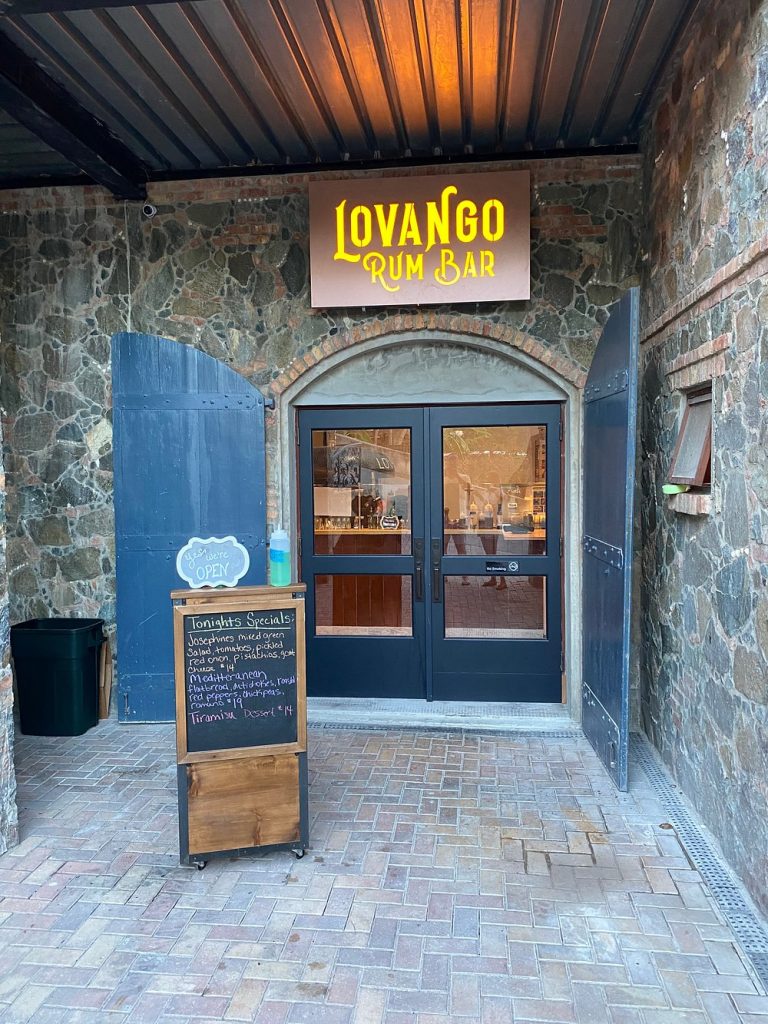
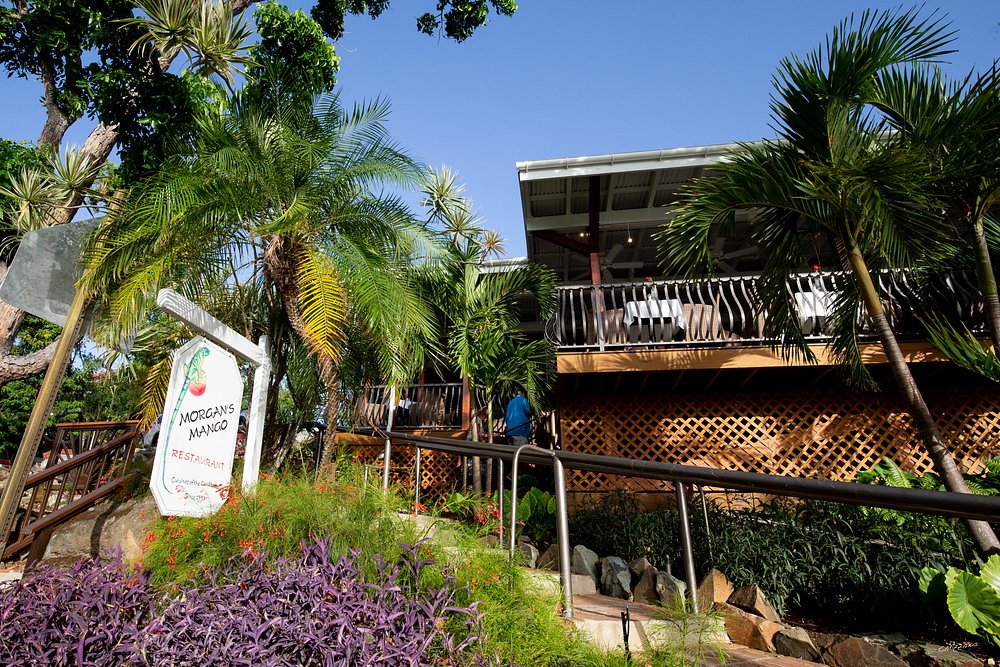
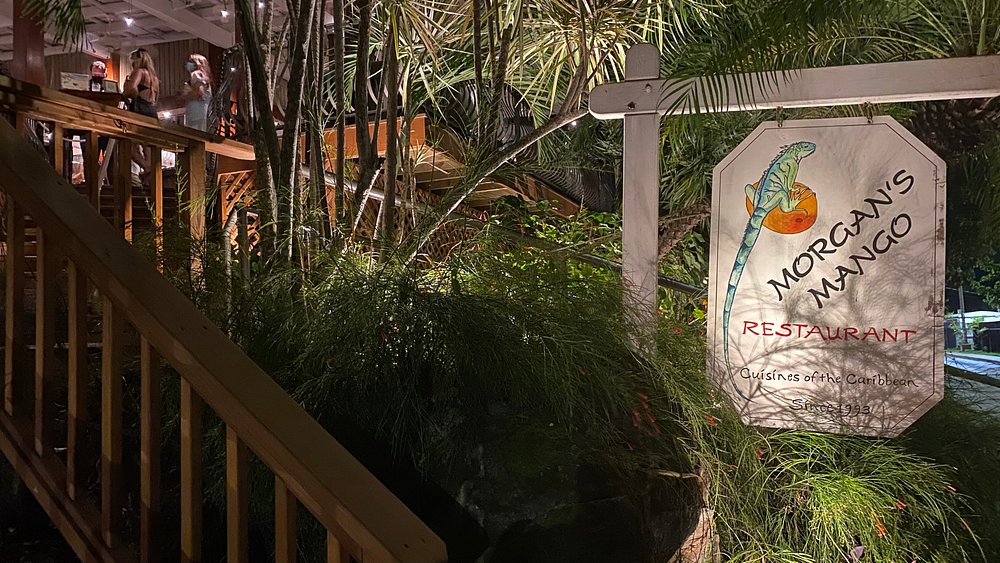
St. John restaurants range from casual beach bars and waterfront cafes to Caribbean kitchens, international dining, bakeries, food trucks, and romantic dinner spots. Cruz Bay offers the island’s greatest concentration of restaurants, while Coral Bay is known for relaxed waterside venues and a quieter evening atmosphere.
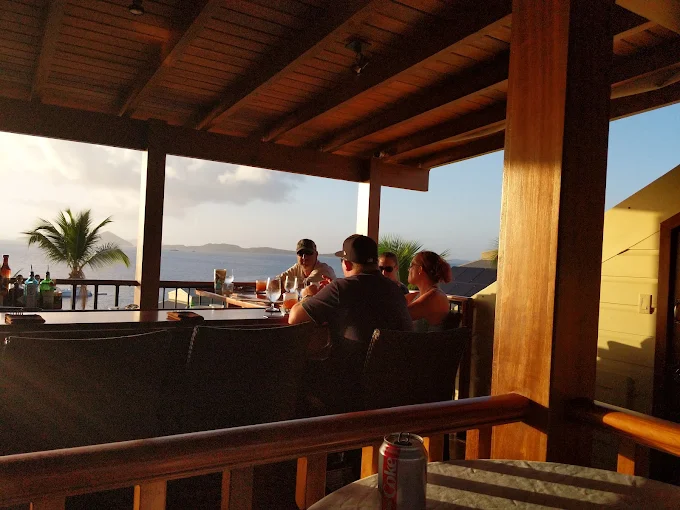
Travelers can enjoy fresh seafood, grilled fish, Caribbean dishes, tropical drinks, casual lunches, and sunset dinners. Dining in St. John can be as simple as a meal after the beach or as memorable as an ocean-view dinner during a honeymoon or anniversary trip.
Reservations are sensible for popular dinner times, especially during peak travel periods. Travelers with food allergies or dietary restrictions should contact the restaurant before visiting.
- Caribbean Flavors
- Waterfront Dining
- Casual Beach Bars
- Romantic Restaurants



Getting Around
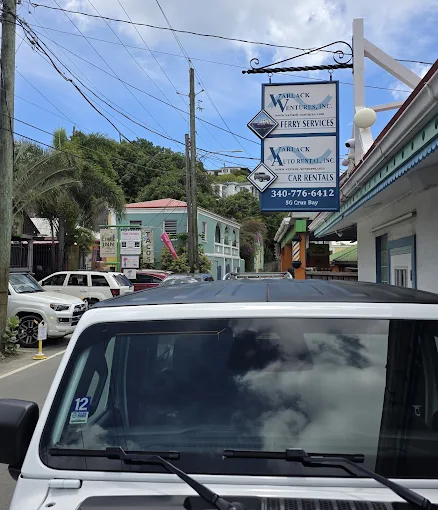
Getting around St. John is possible by taxi, rental vehicle, hotel transfer, guided tour, ferry, or private boat. Safari-style taxis frequently serve Cruz Bay, hotels, popular beaches, and major visitor areas.
The island has two principal routes. North Shore Road provides access to beaches such as Hawksnest, Trunk Bay, and Cinnamon Bay, while Centerline Road crosses the island toward Coral Bay and routes leading to Salt Pond and Lameshur Bay. Roads can be steep, narrow, and winding, and vehicles drive on the left side.
Parking near popular beaches and trailheads is limited and can fill early. Taxis may be a more convenient choice for travelers who do not want to drive or manage parking. When taking a taxi to a quieter beach or trail, arrange the return journey in advance.
- Safari Taxis
- Rental Jeeps & Cars
- Passenger Ferries
- Private Water Taxis
How To Reach St. John
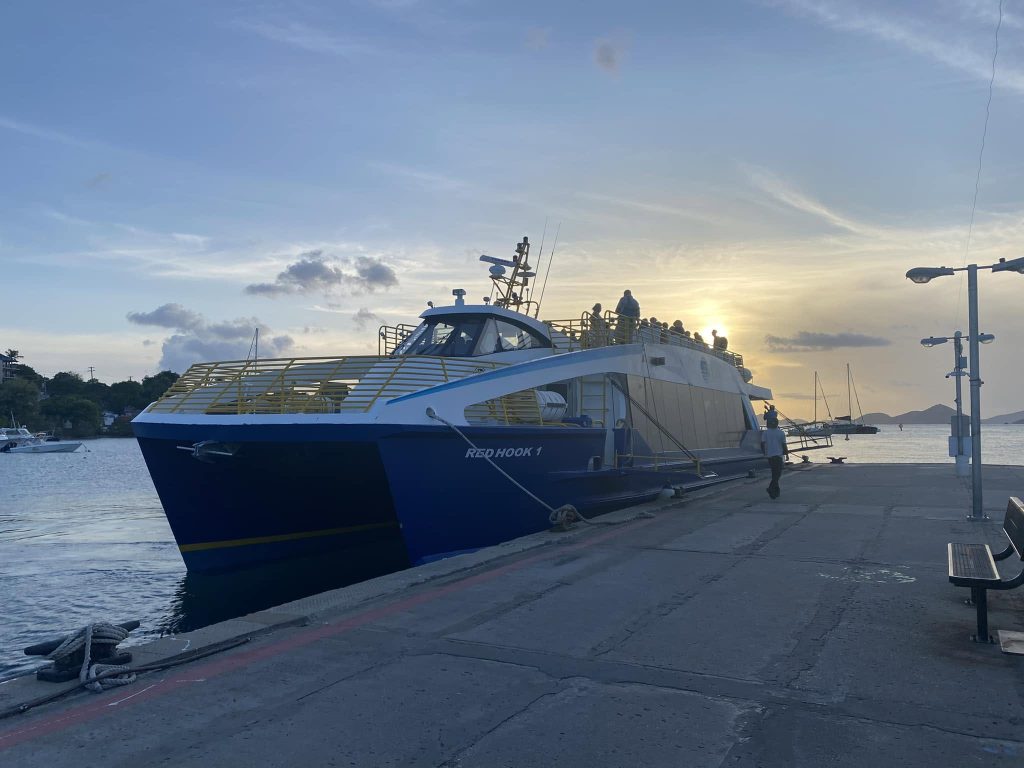
St. John does not have an airport. Most visitors first fly into Cyril E. King Airport on St. Thomas and continue by taxi to a ferry terminal. Passenger ferries, private water taxis, and charter boats connect St. Thomas with Cruz Bay, the principal arrival point on St. John.
Red Hook generally provides the shortest and most frequent passenger-ferry connection, while services may also operate from Charlotte Amalie or Crown Bay Marina. Travelers bringing an approved rental vehicle can use a car barge between Red Hook and Enighed Pond, but rental-company permission should be confirmed before travel.
Allow enough time between your flight and ferry for baggage collection, road transportation, ticketing, and boarding. Ferry schedules can change because of weather, maintenance, or seasonal operations, so reconfirm your departure shortly before travelling.
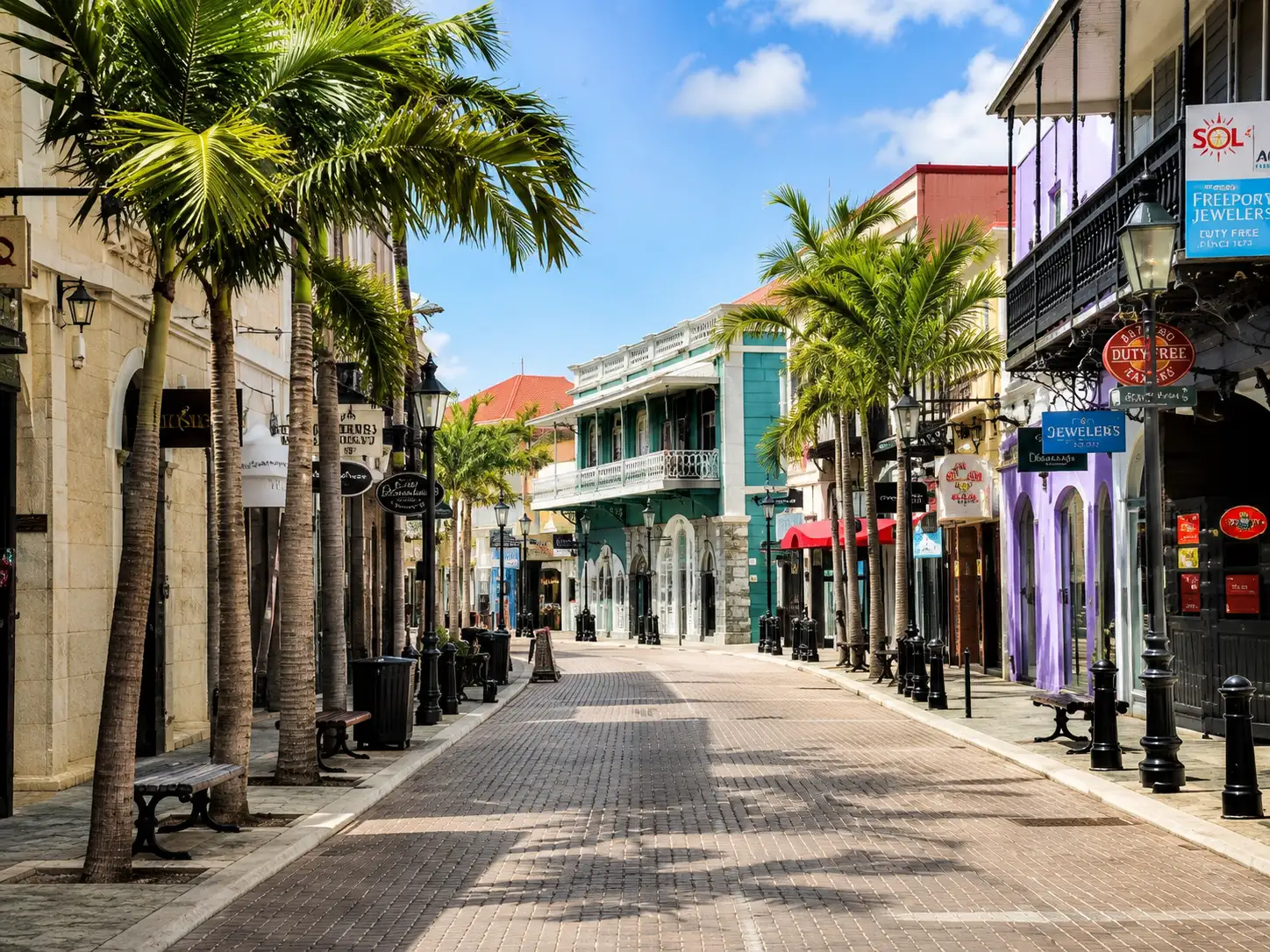
Shopping in St. John
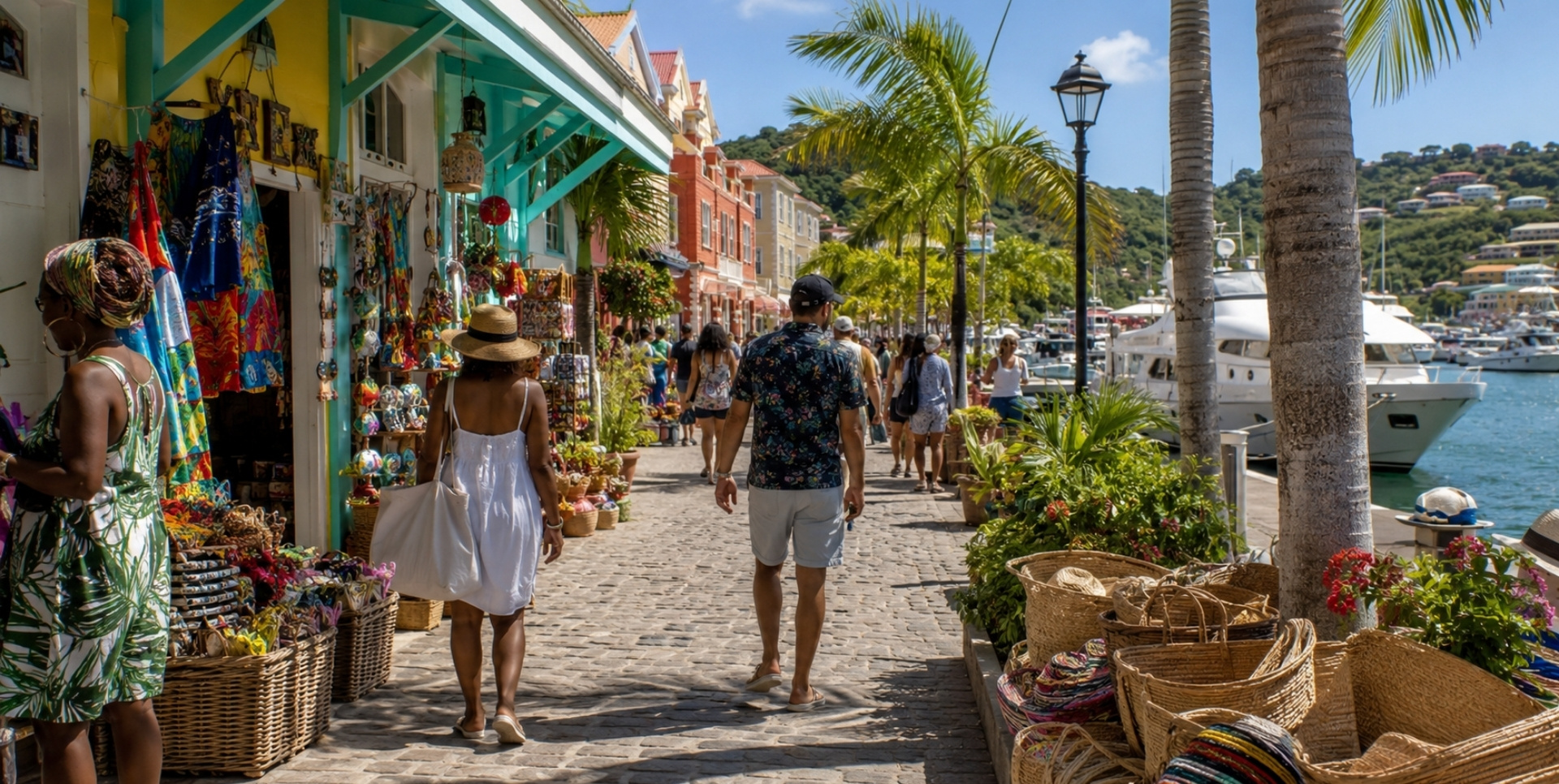
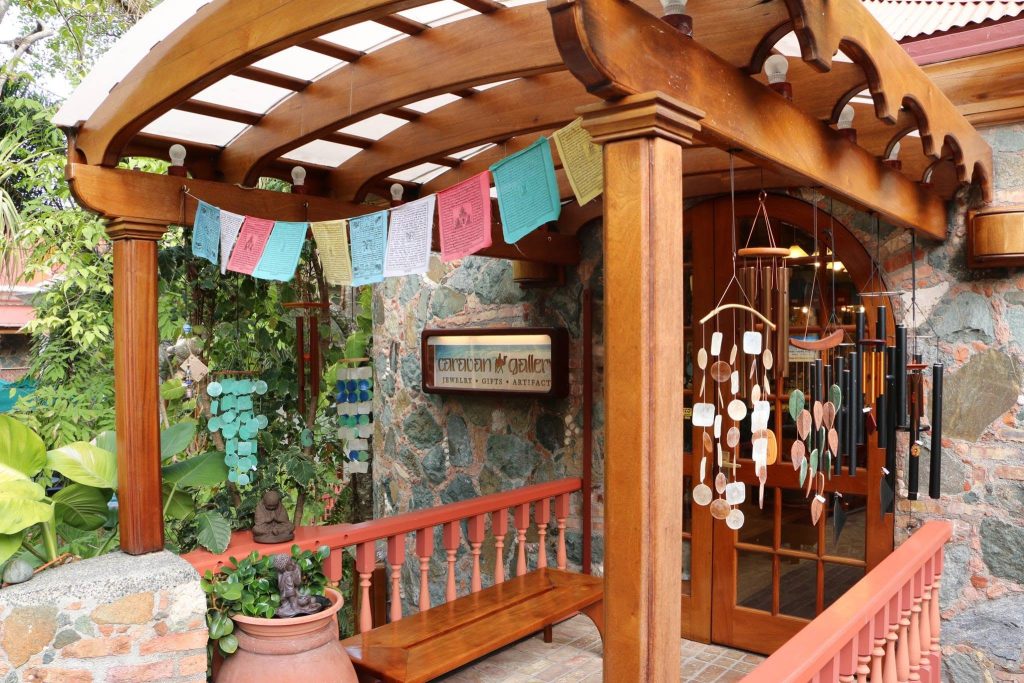
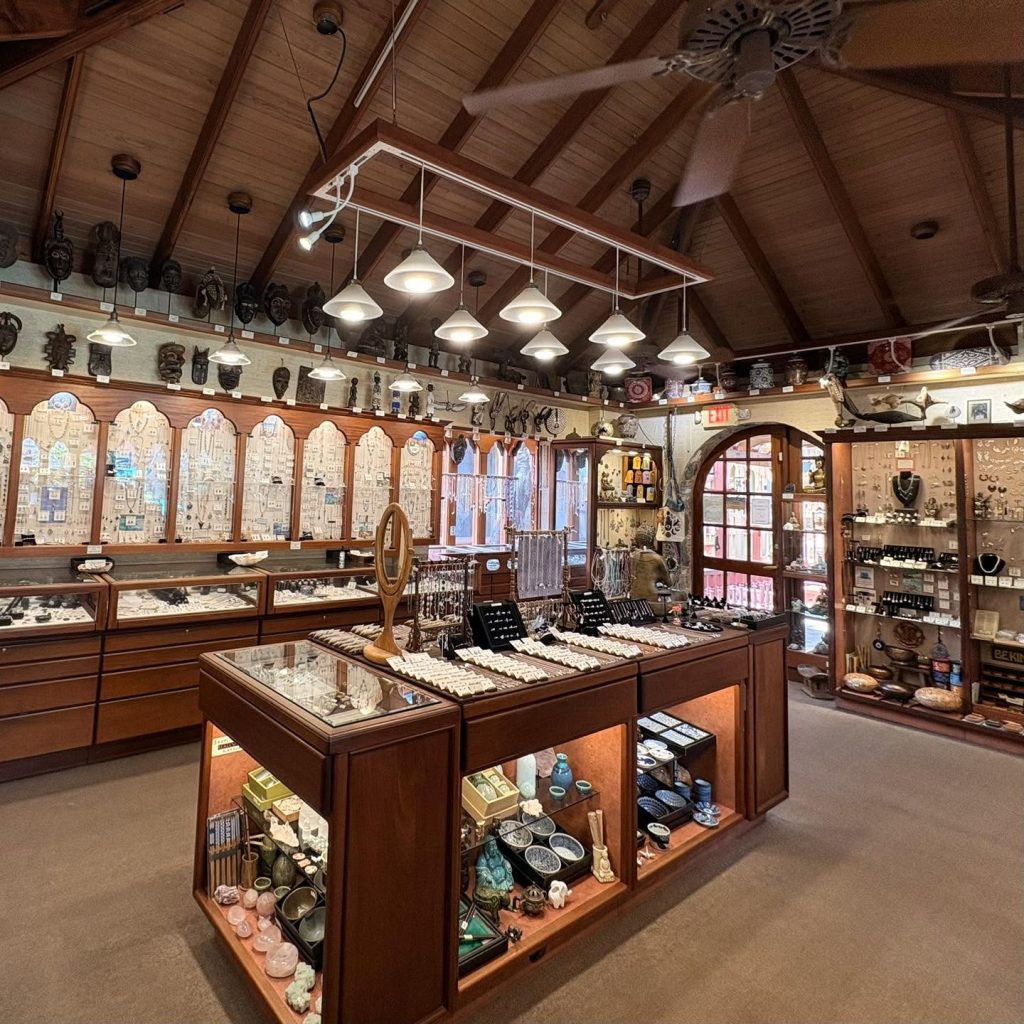
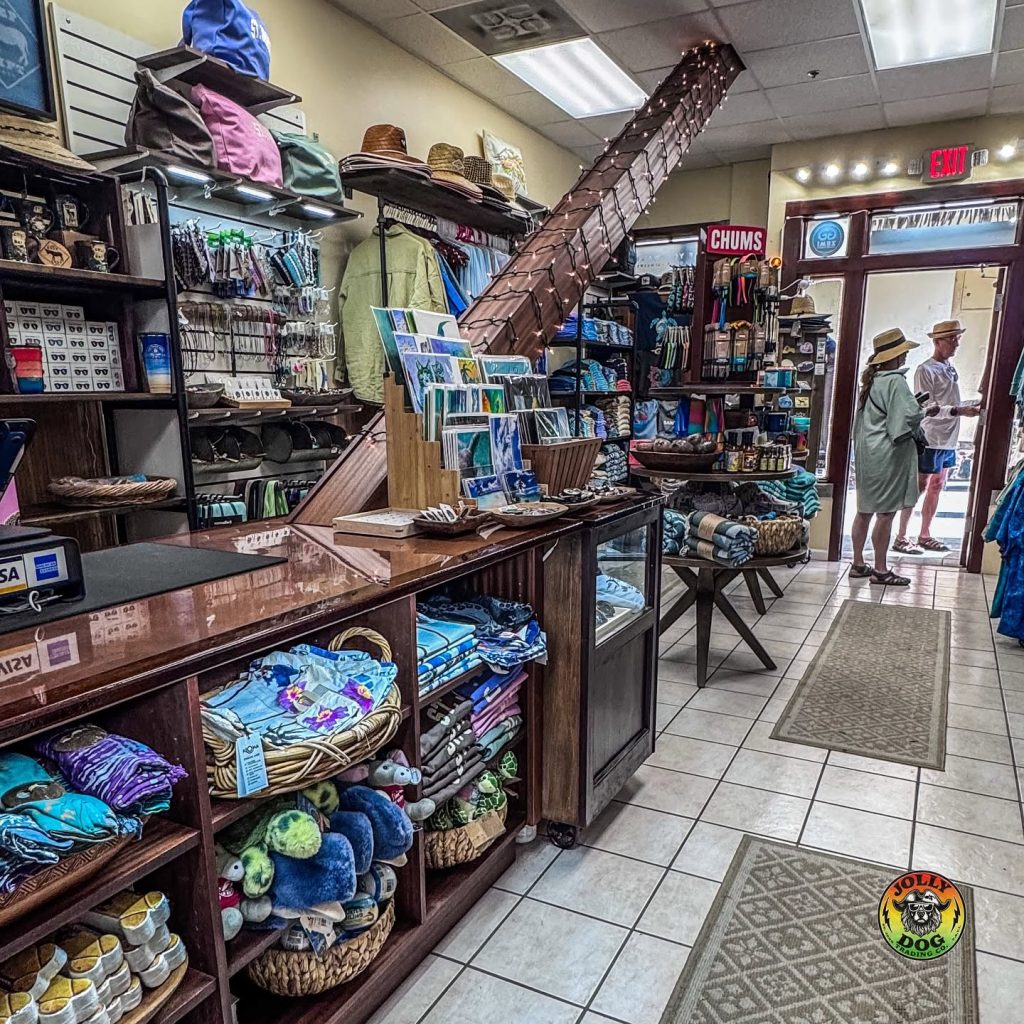
Shopping in St. John is relaxed, local, and easy to combine with dining or sightseeing. Cruz Bay is the island’s principal shopping area, with boutiques, jewelry stores, galleries, bookstores, souvenir shops, cafes, and locally inspired businesses.
Mongoose Junction is known for its open-air setting, fashion boutiques, art galleries, gift stores, restaurants, and locally made products. Wharfside Village and the streets near the Cruz Bay ferry landing offer jewelry, resort wear, spices, artwork, ceramics, and island-themed gifts.
Meaningful St. John souvenirs include locally designed jewelry, island art, screen-printed clothing, books, spices, hot sauces, soaps, lotions, and professional vacation photographs. Avoid removing coral, shells, plants, sand, or natural materials from protected locations.
- Local Art & Jewelry
- Island-Made Gifts
- Resort Wear
- Spices & Specialty Foods



Discover Our Island
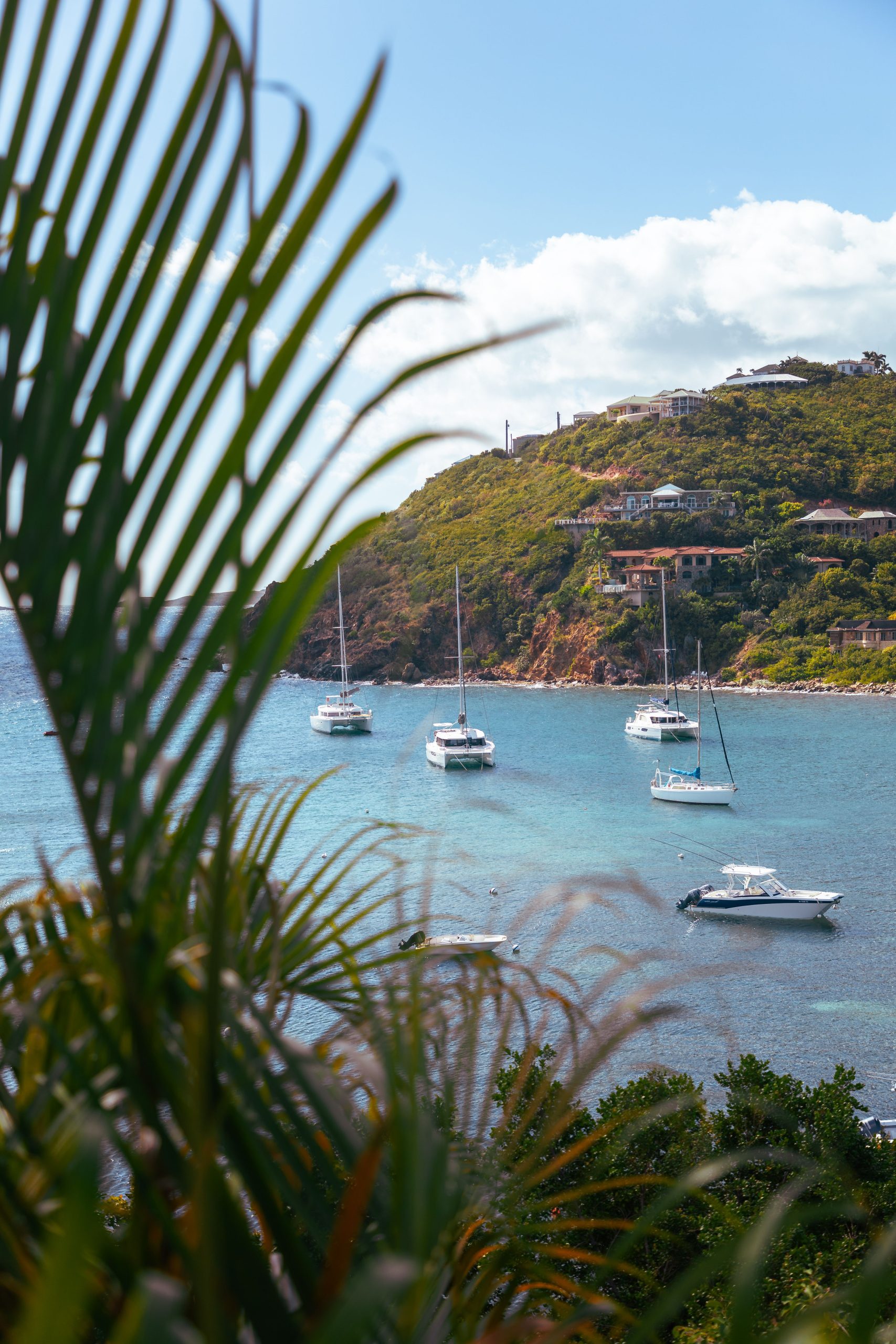
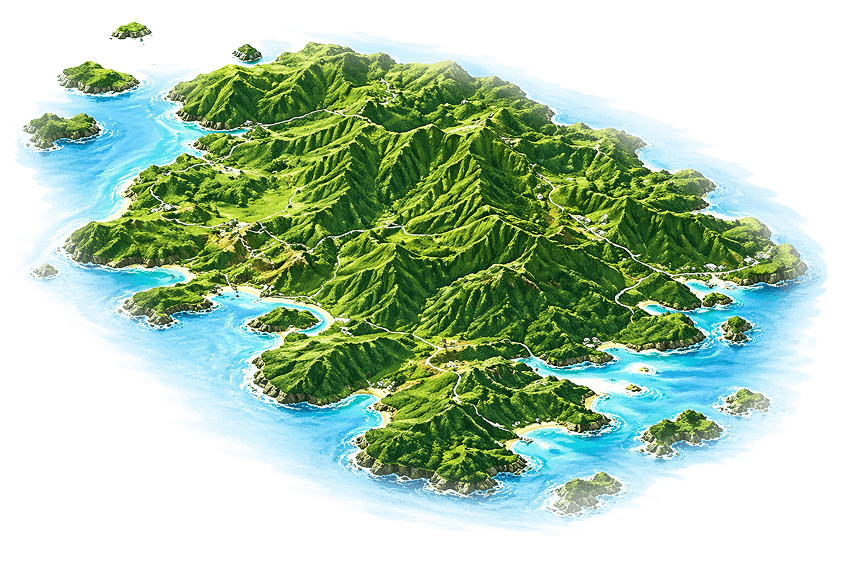
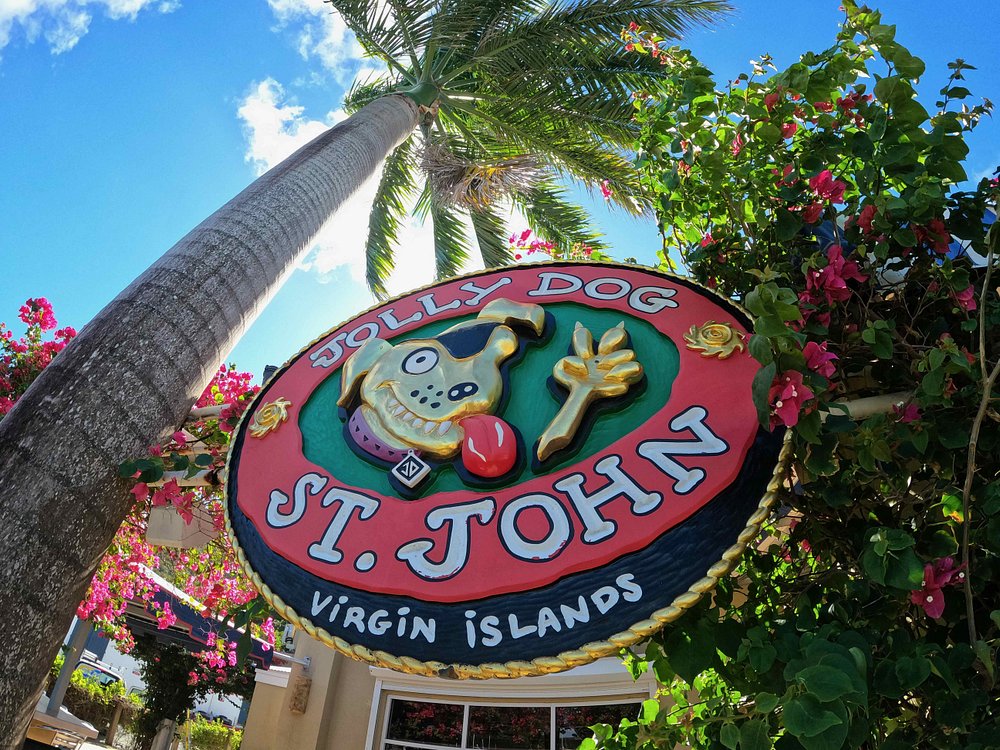
St. John offers a peaceful base for exploring the wider US Virgin Islands and nearby cays. Cruz Bay connects travelers with St. Thomas by ferry, while private charters and boat tours make it possible to visit quiet beaches, snorkeling areas, and surrounding waters. Within St. John, the island’s two main communities provide different experiences. Cruz Bay is the livelier arrival hub with restaurants, shops, bars, and ferry access. Coral Bay offers a quieter atmosphere, hillside scenery, waterside dining, and convenient access to the island’s less-developed eastern side.
Explore Things To DoNightlife
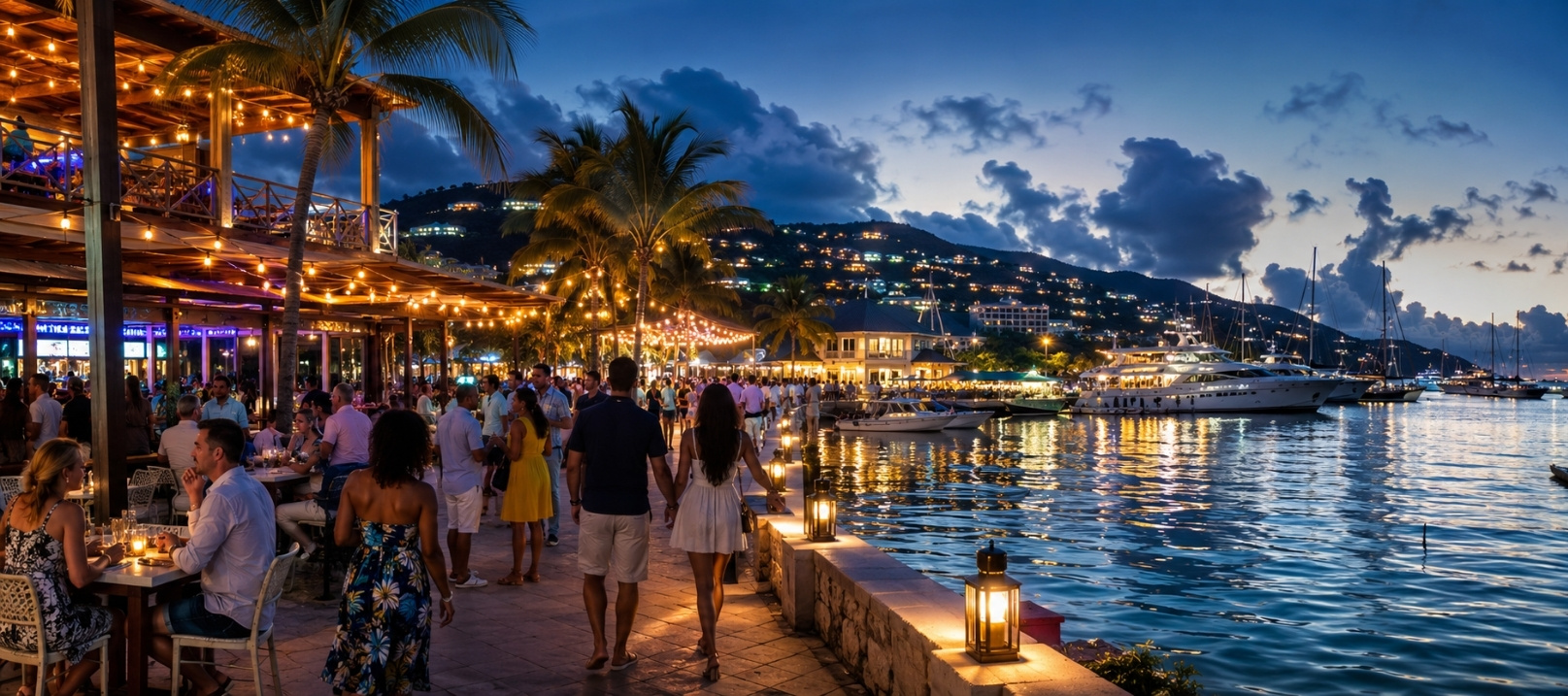
St. John nightlife is friendly, casual, and closely connected to the island’s restaurants and waterfront communities. Cruz Bay offers the liveliest evening scene, with beach bars, cocktail spots, live music, locally brewed drinks, and restaurants that continue serving after sunset.
Coral Bay provides a quieter alternative with relaxed bars, local gathering places, and waterside dining. Nightlife on St. John is generally less formal than in larger destinations, making it easy to move from a sunset dinner to live music or a casual drink.
Transportation becomes less frequent later in the evening, so arrange a taxi or confirm your return plan before heading out.
Spa & Wellness
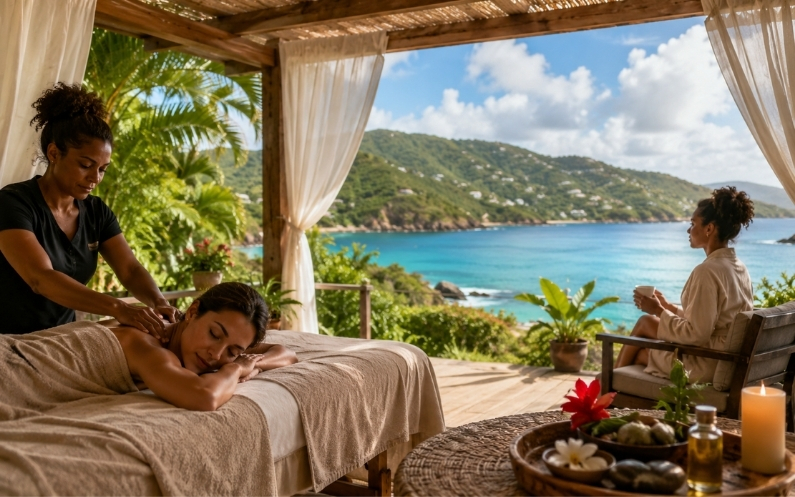
St. John naturally supports a slower and more restorative style of travel. Wellness experiences may include resort spas, in-villa massage, yoga, meditation, couples’ treatments, quiet beach walks, swimming, and nature-based relaxation.
Travelers can begin the day with gentle movement, schedule a massage after hiking or snorkeling, or build an entire getaway around rest and reconnection. The combination of protected landscapes, warm water, and quieter surroundings makes St. John particularly suited to romantic escapes and wellness-focused vacations.
- Massage & Spa Treatments
- Yoga & Mindful Movement
- Couples’ Wellness
- Nature-Based Relaxation
Travel Information
Helpful information for planning your island visit.
Visa & Entry
U.S. citizens travelling directly to St. John from the U.S. mainland or Puerto Rico do not need a passport or visa. Adult airline passengers must, however, carry a REAL ID-compliant licence or another form of identification accepted by the TSA. A passport is required when an itinerary includes the British Virgin Islands or another international destination.
Weather & Seasons
St. John has warm Caribbean weather throughout the year. Winter and early spring are popular for drier conditions and active island travel, while other periods may bring fewer visitors and different accommodation values. Travelers visiting during Atlantic hurricane season should monitor forecasts, consider travel insurance, and choose flexible booking policies.
Currency & Logistics
St. John uses the U.S. dollar. Major credit cards are accepted by many hotels, restaurants, and shops, but carrying some cash is helpful for taxis, ferries, tips, and smaller businesses. English is the official language, and Spanish is also commonly spoken.
Our Latest Blogs
Travel ideas, destination highlights, and helpful inspiration for planning time on St. John.

A Day on St. John Without a Rental Car

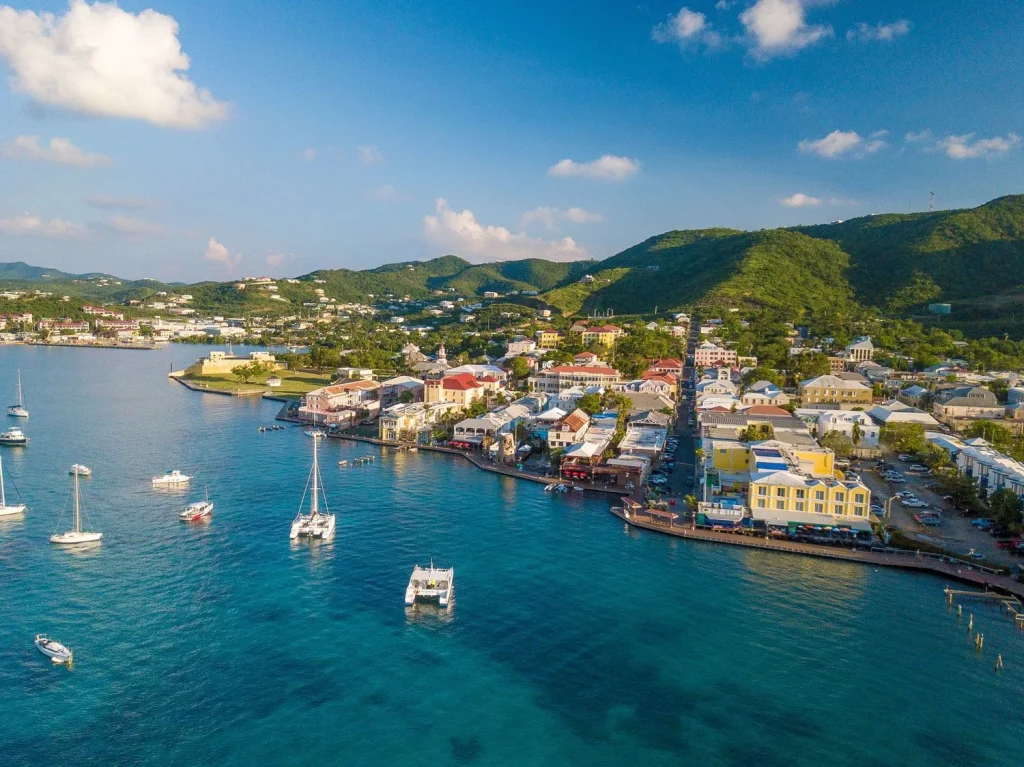
A Food Lover’s Day in St. Croix
St. John Travel FAQs
Most visitors arrive on St. Thomas and take a passenger ferry to Cruz Bay. Confirm your departure terminal and the last sailing if your flight arrives late.
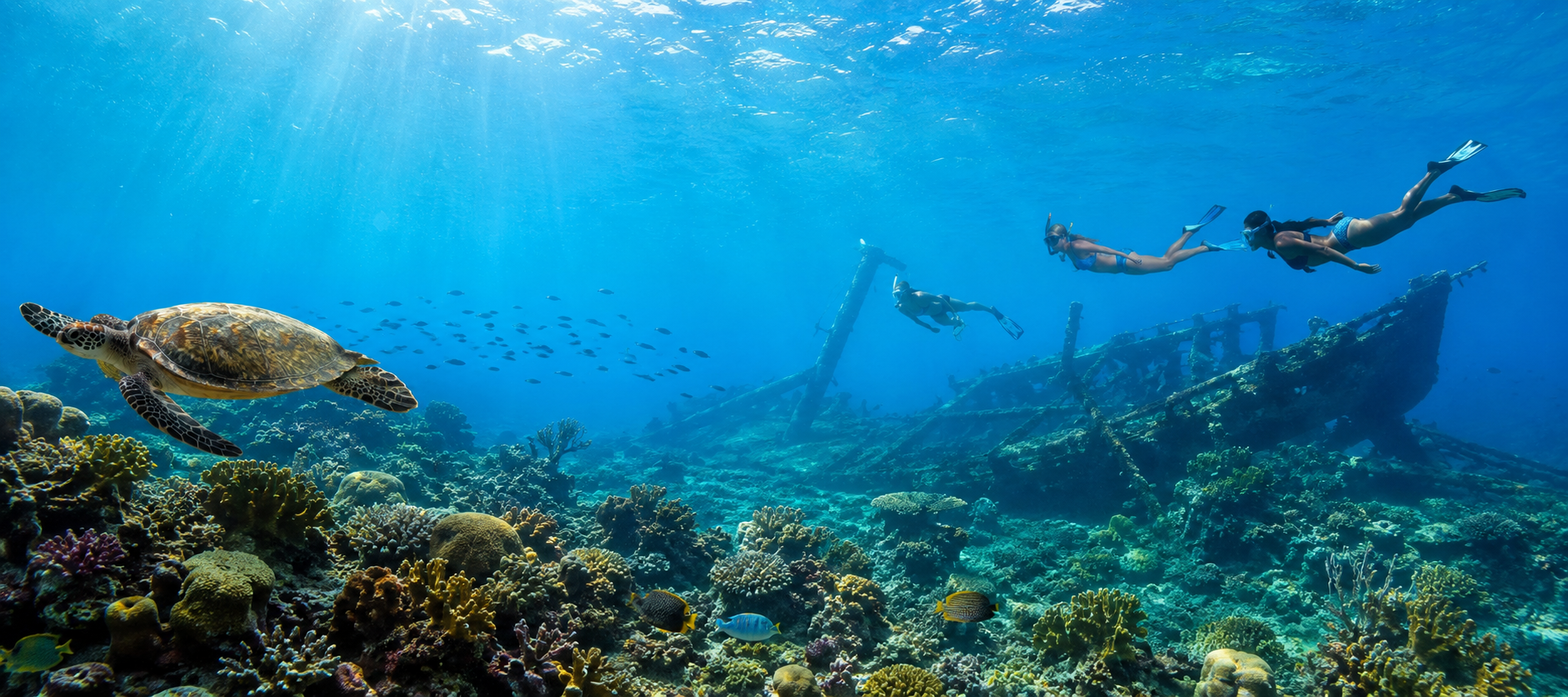
Explore Vibrant Coral Reefs, Shipwrecks, And Marine Life Beneath The Waves
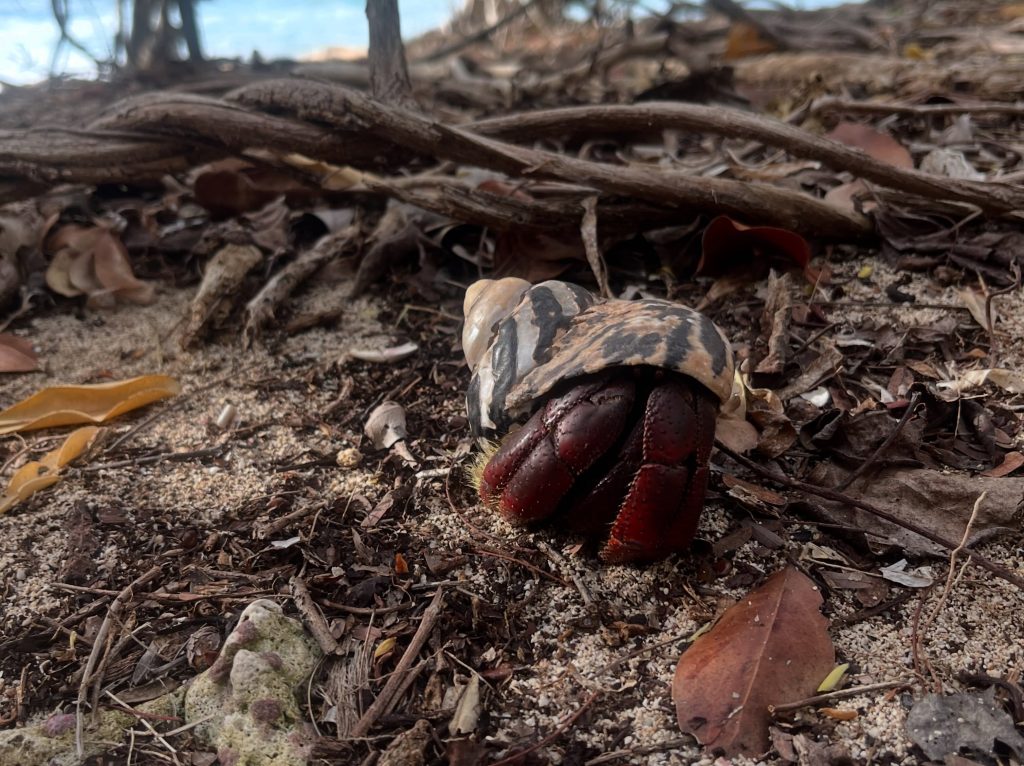
The waters surrounding St. John support coral reefs, seagrass beds, mangroves, tropical fish, sea turtles, rays, and other marine life. Visitors can explore this underwater world through guided snorkeling, scuba diving, boat tours, kayaking, and beginner-friendly marine experiences. Popular snorkeling environments include sheltered bays, reef edges, underwater trails, and protected coastal habitats. Dive operators can recommend sites based on certification, recent experience, weather, and water conditions. Help protect St. John’s marine environment by maintaining distance from wildlife, never touching coral, using approved mineral sunscreen, and choosing operators that follow responsible anchoring and conservation practices.
Visitor Gallery
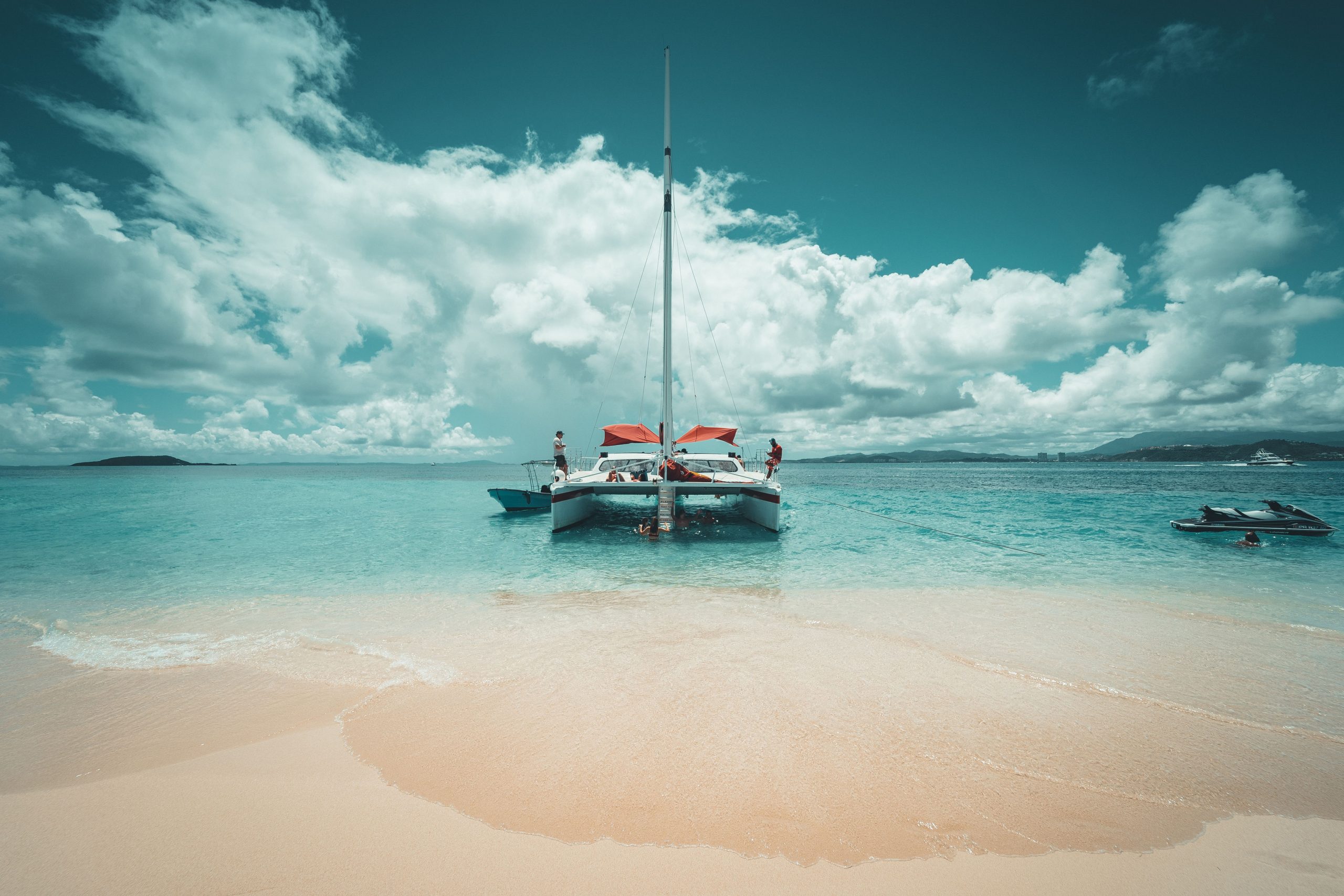
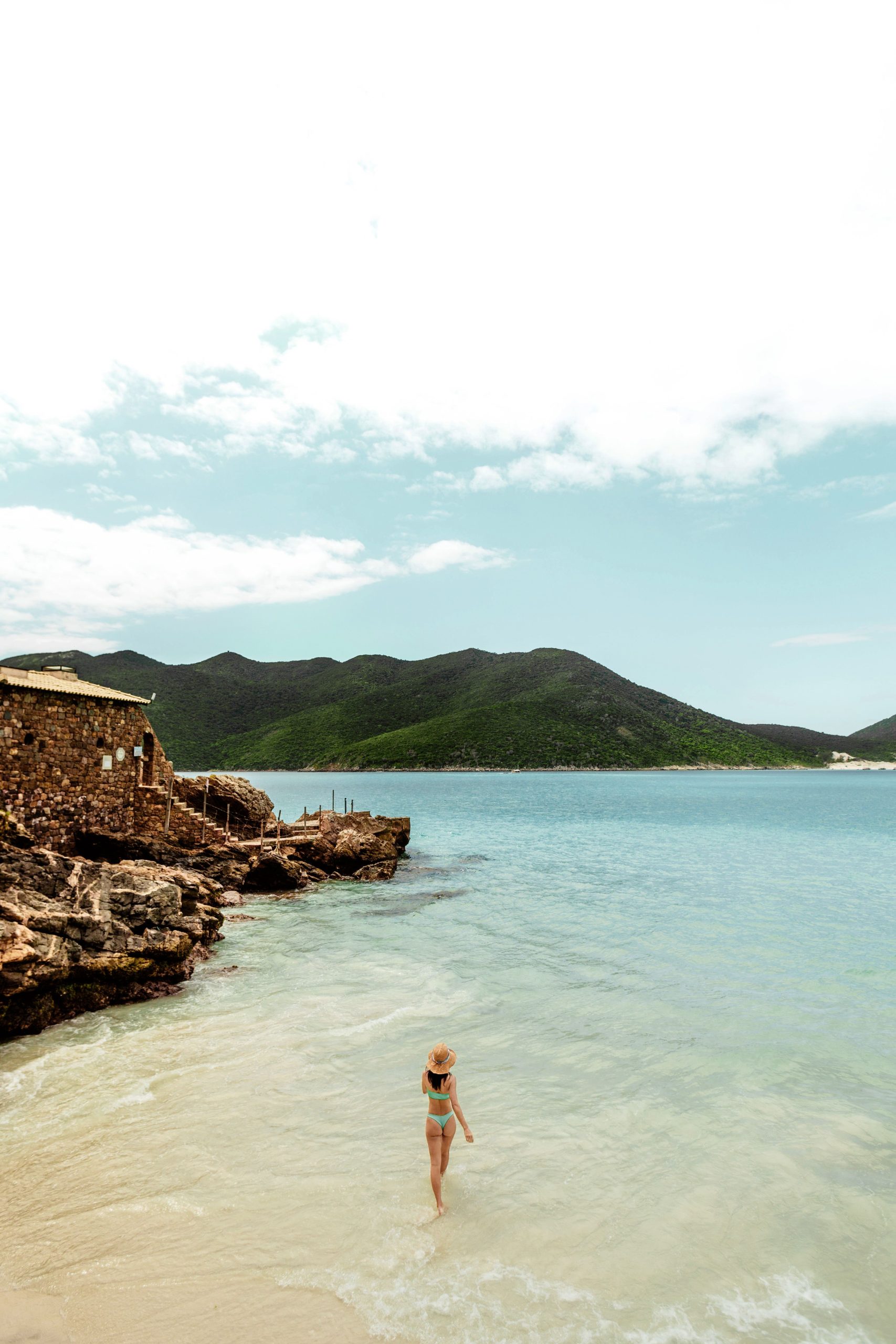
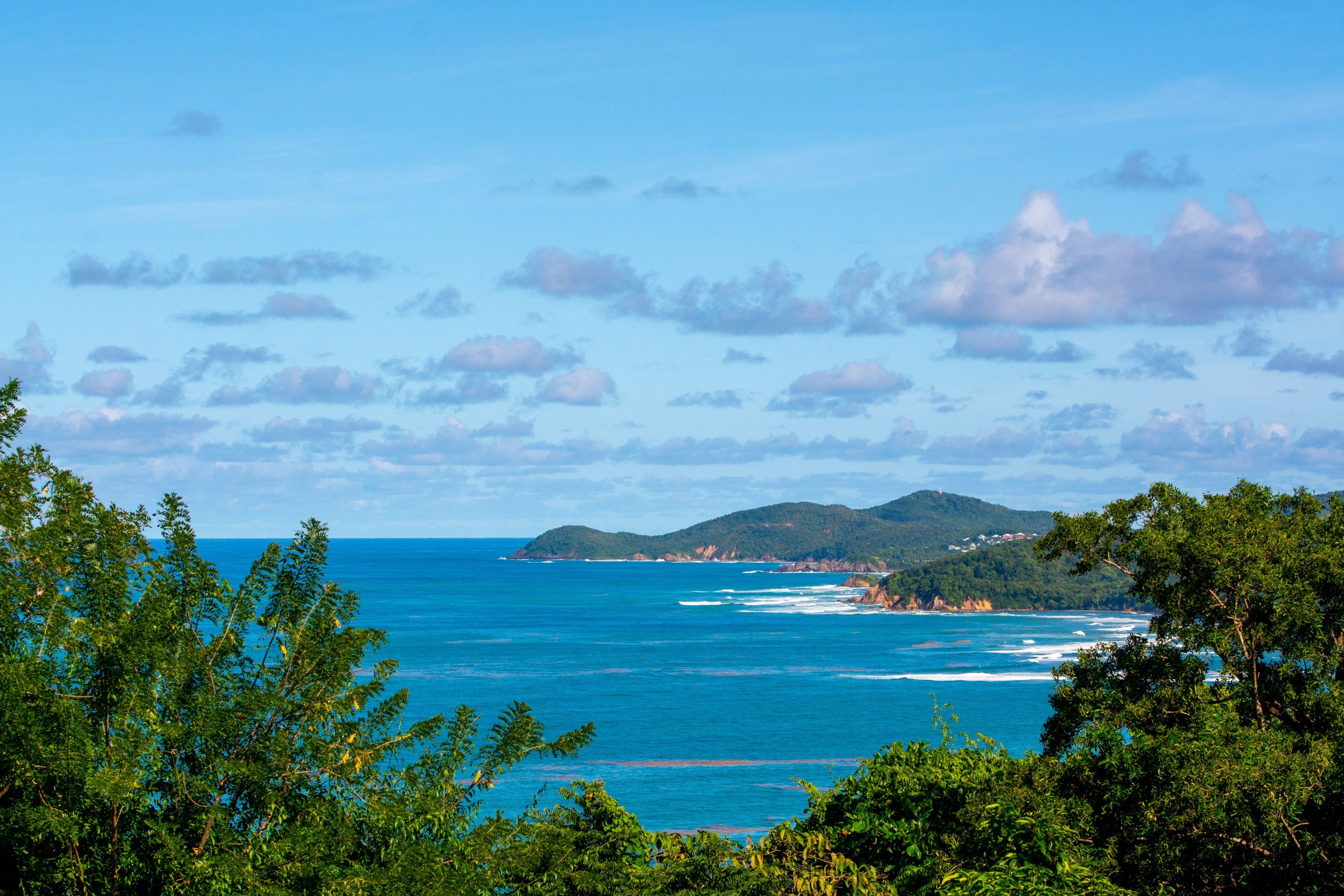
Experience St. John through its beaches, green hills, coral reefs, hiking trails, waterfront communities, and everyday island moments. Browse scenes from resorts, villas, sailing trips, local restaurants, historic sites, and protected landscapes as inspiration for your own St. John vacation.