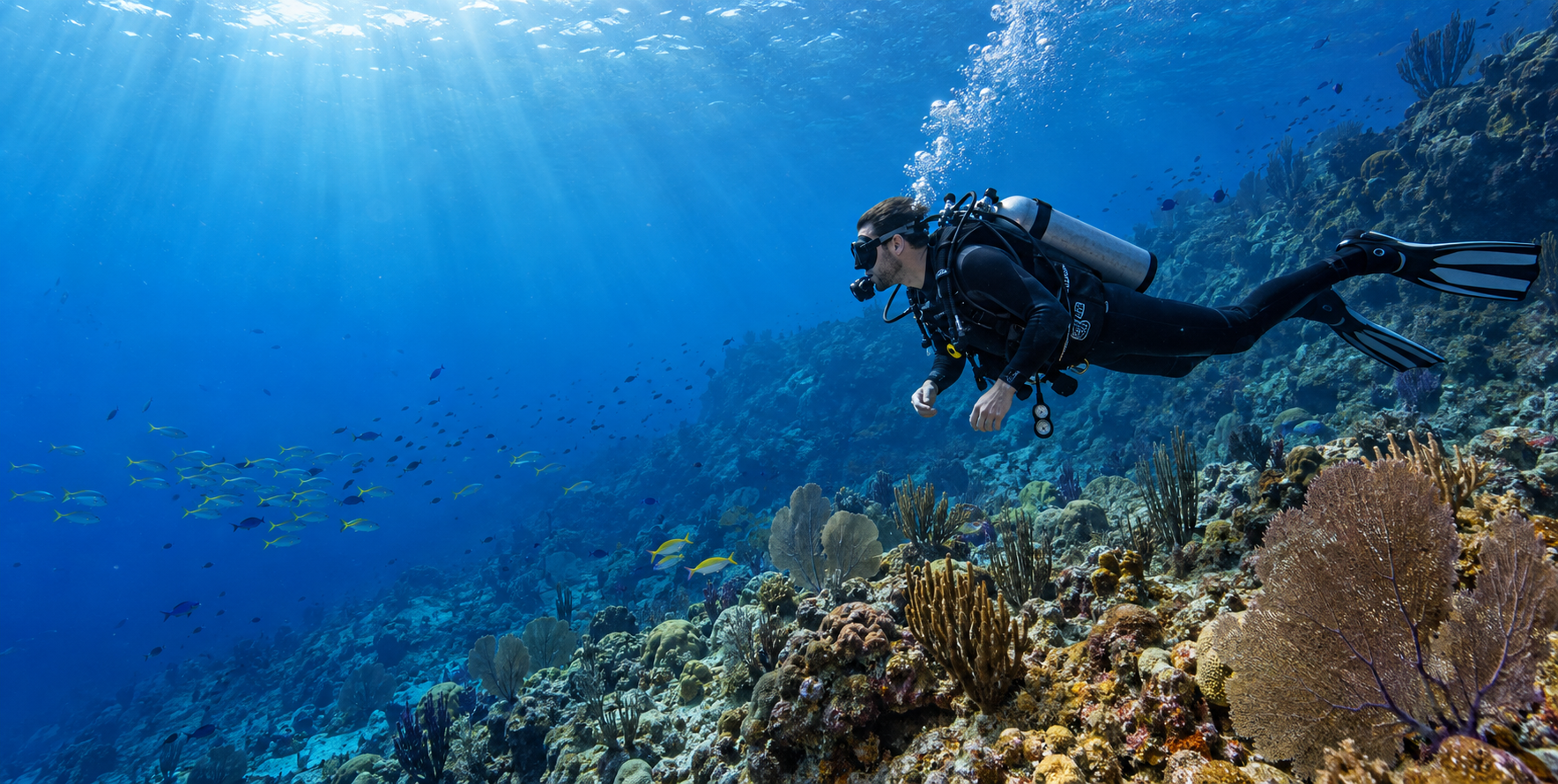
Diving in St. Thomas, USVI, offers an exciting combination of coral reefs, rocky formations, swim-throughs and historic shipwrecks. Warm Caribbean water and a varied collection of sites create opportunities for first-time participants, newly certified divers and experienced underwater explorers. Local St. Thomas dive centres provide guided excursions, equipment rentals, introductory sessions, certification courses and private charters, making it easier to plan an experience suited to individual training and comfort levels.
The reefs surrounding St. Thomas support coral, sea fans, sponges and numerous species of tropical marine life. Divers may encounter angelfish, parrotfish, moray eels, stingrays, sea turtles, lobsters and schools of colourful reef fish. Reef sharks and spotted eagle rays may also be observed, although wildlife sightings are never guaranteed. Visibility, current and marine activity change according to weather, location and daily sea conditions.
Popular St. Thomas dive sites include Flat Cay and Cow and Calf Rocks. Flat Cay offers a diverse reef environment with depths that can accommodate different experience levels. Cow and Calf Rocks is recognised for its dramatic formations, tunnels and archways. Routes through confined or overhead areas should only be attempted when they fall within a diver’s training, experience and the instructions of a qualified guide.
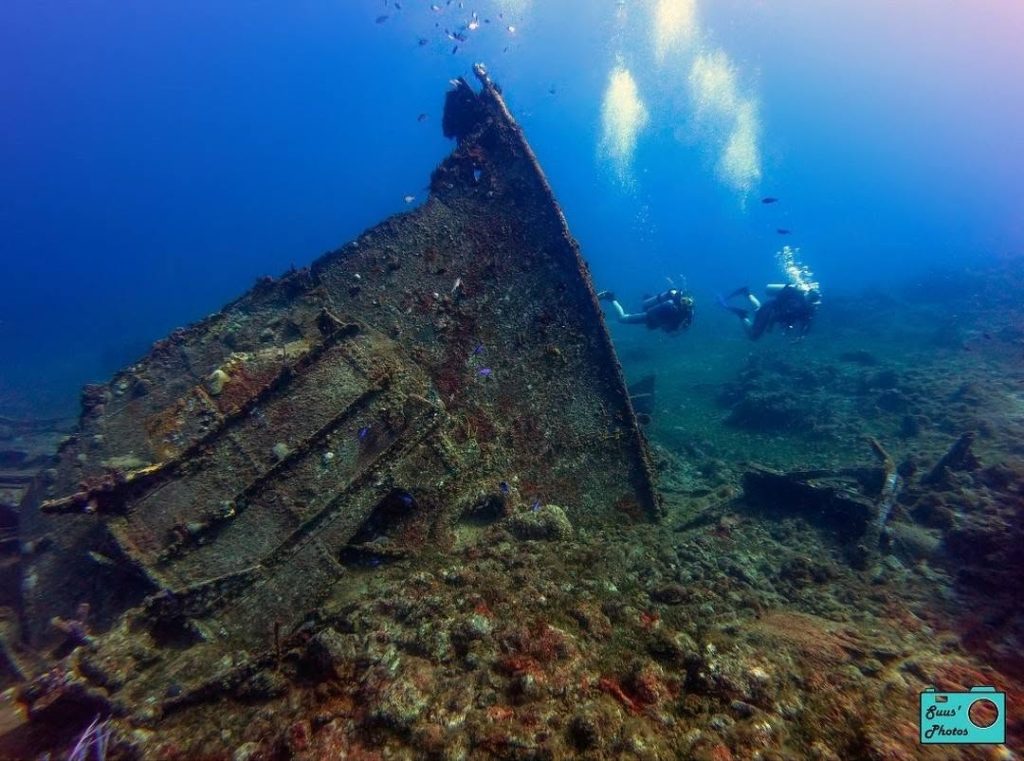
Wreck diving is another highlight of scuba diving in St. Thomas. The Cartanza Senora rests in Shipwreck Cove near Buck Island and is generally considered suitable for beginner-to-intermediate certified divers when conditions permit. More experienced divers may consider deeper wrecks such as WIT Shoal. Depth, currents, visibility and certification requirements differ between locations, while entering a wreck requires specialised training and careful planning. Divers should discuss all requirements with the operator before making a reservation.
Visitors without scuba certification can ask local dive centres about supervised introductory experiences. These programmes generally begin with equipment familiarisation, essential safety skills and closely guided practice in a controlled or beginner-friendly environment. An introductory dive allows someone to experience scuba under direct supervision, but it does not provide a permanent diving certification. Participants should confirm age restrictions, swimming requirements and medical eligibility in advance.
Travelers who want to become certified can compare recognised open-water courses offered by St. Thomas dive schools. Depending on the programme, coursework may be completed partly online before confined-water training and open-water dives on the island. Certified divers may find shore dives, two-tank boat trips, reef excursions, wreck dives, night dives and private charters. Specialty activities remain dependent on certification level, recent experience and operating conditions.
Some shore-entry experiences may be available around locations such as Coki Point and Secret Harbour, while boat excursions provide access to reefs, cays and offshore wrecks. The planned site may change on the day of the trip because of wind, currents, visibility or other safety considerations. This flexibility allows captains and instructors to select a location appropriate for the group’s experience and current sea conditions.
When comparing St. Thomas diving tours, review the departure point, trip duration, number of dives, group size and experience requirements. Confirm whether tanks, weights, regulators, buoyancy-control devices, masks, fins, exposure protection and dive computers are included. Travelers should also ask about transportation, refreshments, marine or fuel fees, underwater photography, cancellation terms and weather policies. Certified divers may need to present a certification card, and those who have not dived recently could be asked to complete a refresher session.
Safety must remain the priority during every USVI scuba diving experience. Complete medical questionnaires honestly and inform the operator about respiratory, cardiac, ear, sinus or other health concerns that could affect diving. Follow the buddy system, remain within certification and depth limits, monitor air and computer information, and never enter the water when ill or impaired. Divers should also follow recognised guidance regarding surface intervals and the time required between diving and flying.
Responsible diving helps protect the reefs and marine habitats surrounding St. Thomas. Maintain careful buoyancy, keep equipment away from coral and avoid touching, chasing or feeding marine animals. Nothing should be collected from the seabed, and divers must follow all regulations within protected areas, including the St. Thomas East End Reserves. Reef-conscious sun protection and respect for local mooring and boating rules can further reduce environmental impact.
From beginner-friendly reef dives to guided wreck explorations, St. Thomas scuba diving provides many ways to discover the underwater side of the U.S. Virgin Islands. Compare reputable St. Thomas dive centres, certification programmes and guided diving excursions before your visit. Booking ahead is advisable during busy travel periods, while allowing flexibility for weather and sea conditions will help create a safer and more rewarding Caribbean diving experience.
 DIRECT BUSINESS CONTACT
SCUBA DIVING
ST. THOMAS EXPERIENCE
DIRECT BUSINESS CONTACT
SCUBA DIVING
ST. THOMAS EXPERIENCE
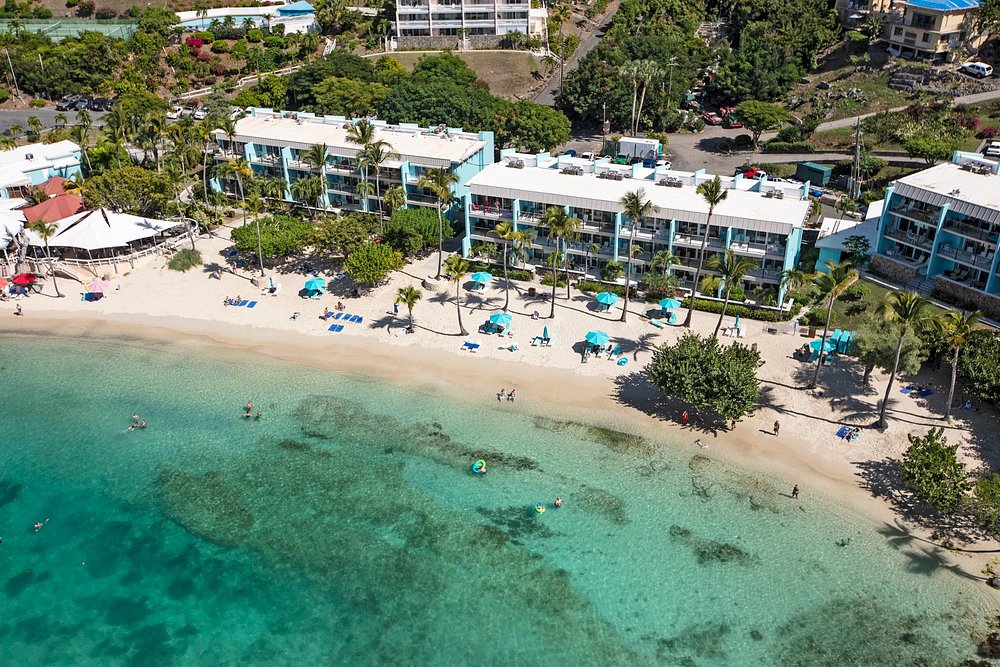
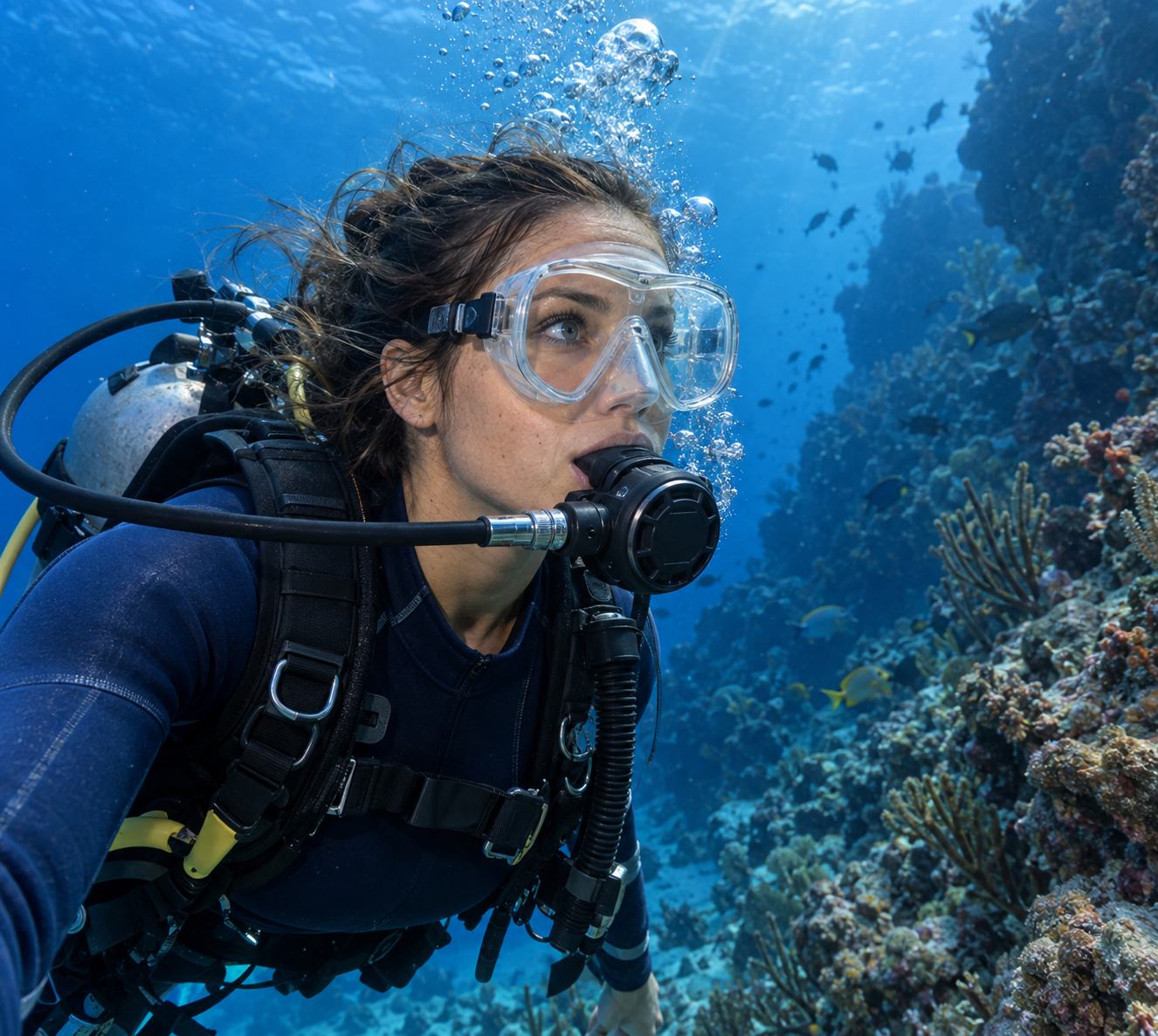

St. Thomas reef diving introduces visitors to coral gardens, rocky formations, swim-throughs and habitats for tropical fish, rays, turtles, eels and other Caribbean marine life. Locations such as Flat Cay and Cow and Calf Rocks offer distinct underwater landscapes, although depth, current and experience requirements vary. A qualified local guide can recommend an appropriate site based on current conditions and each diver’s certification level.
Wreck diving in St. Thomas adds history and adventure to the island’s underwater experiences. The Cartanza Senora is commonly recommended for beginner-to-intermediate certified divers, while deeper wrecks such as WIT Shoal require greater training and experience. Certification limits, depth, visibility and penetration rules should always be discussed with the dive operator before booking a St. Thomas wreck-diving excursion.
First-time participants can enquire about supervised introductory scuba sessions that combine basic instruction, equipment familiarisation and closely guided underwater practice. Certified divers can choose from shore dives, two-tank boat trips, reef excursions, wreck dives, night dives and private charters. Travelers interested in earning or advancing a qualification can also compare St. Thomas scuba certification courses offered by recognised dive centres.
Clear Caribbean water, colourful reefs and a varied collection of dive sites make scuba diving in St. Thomas, USVI, appealing to beginners and experienced divers. Local operators offer guided reef dives, wreck excursions, shore-entry experiences, certification courses and private charters. Dive locations are selected according to certification level, weather, currents and daily sea conditions, helping visitors find an experience suited to their training and comfort.
Reputable St. Thomas dive operators provide safety briefings, trained guides and properly maintained equipment, with rental packages available for travelers who do not bring their own gear. Divers should disclose relevant medical conditions, remain within their training limits and follow guidance concerning depth, currents and post-dive flying intervals. Avoid touching coral or marine animals, maintain good buoyancy and respect protected areas to help preserve the USVI marine environment.
Explore trusted St. Thomas dive centres, guided scuba tours, reef dives, wreck excursions and certification experiences. Compare diver requirements, trip duration, equipment inclusions, group sizes and departure locations to plan a safe and memorable diving adventure in St. Thomas, USVI.
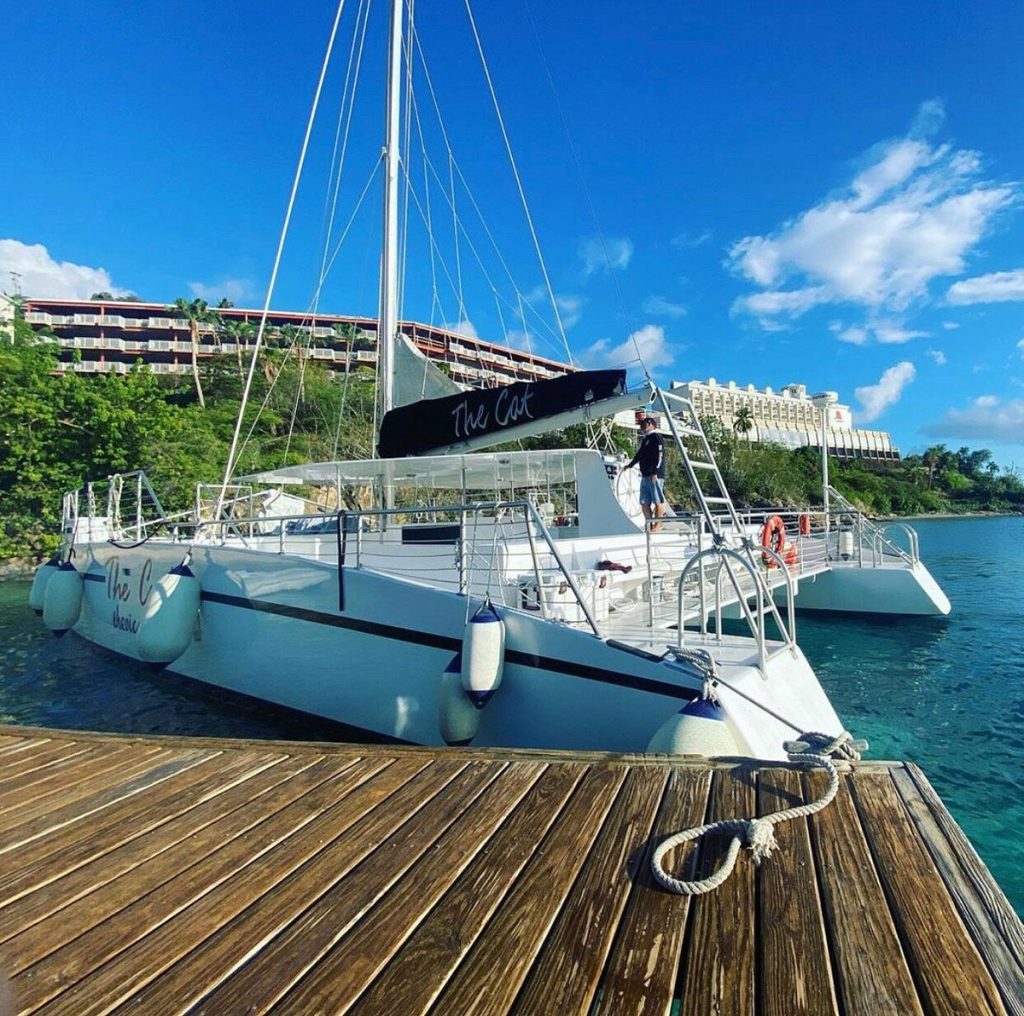
Local operators offer reef and wreck dives. Ask about depth, currents and travel time to the site so you can choose a trip that fits your certification and experience.