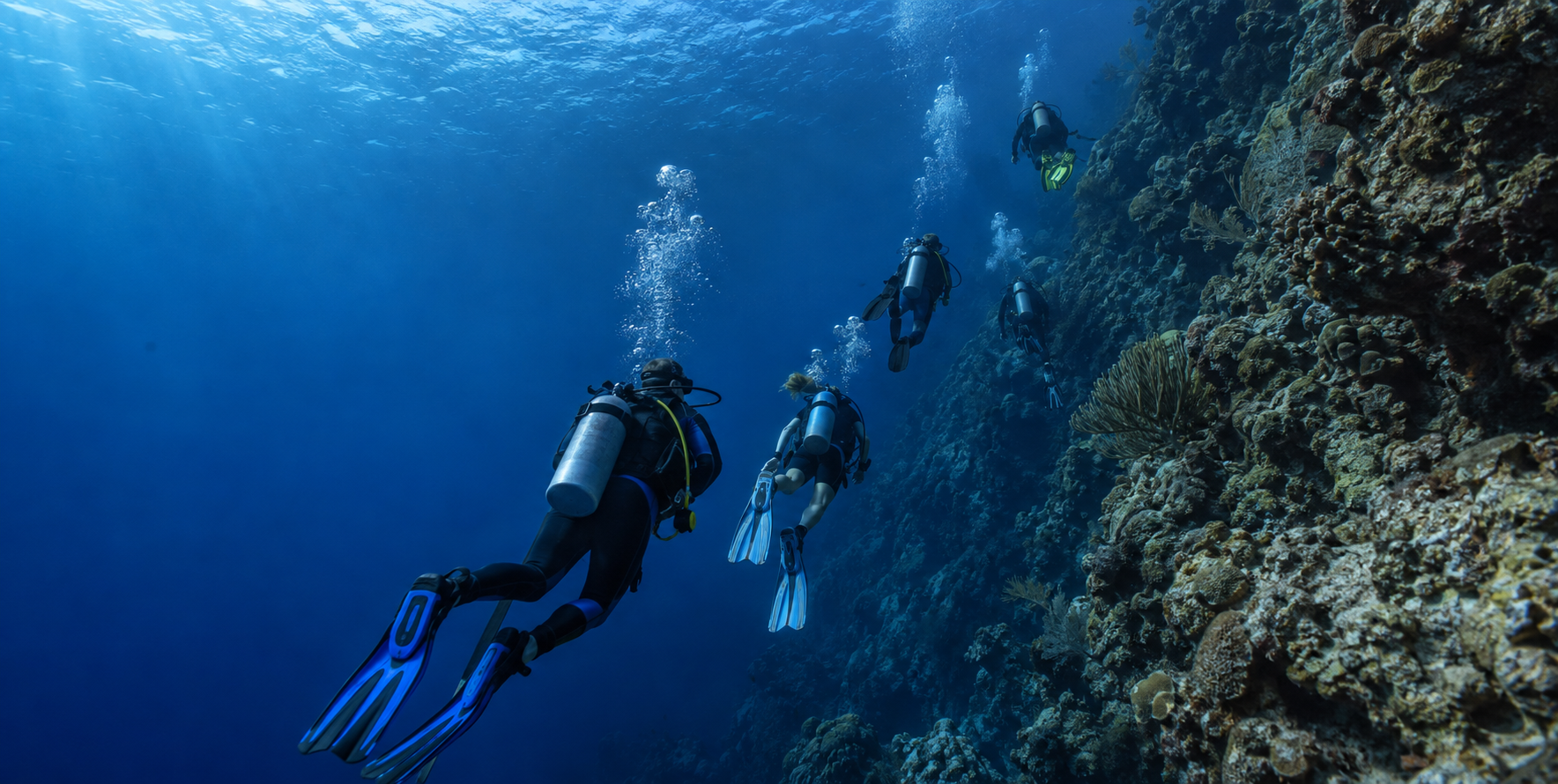
Diving in St. Croix, USVI, offers an unusually diverse collection of underwater experiences within one Caribbean destination. Divers can explore coral walls, shallow reefs, historic shipwrecks, a marine-covered pier and protected habitats supporting tropical wildlife. With shore-entry sites, guided boat excursions, certification courses and private charters available, St. Croix accommodates first-time participants, recreational divers and experienced adventurers.
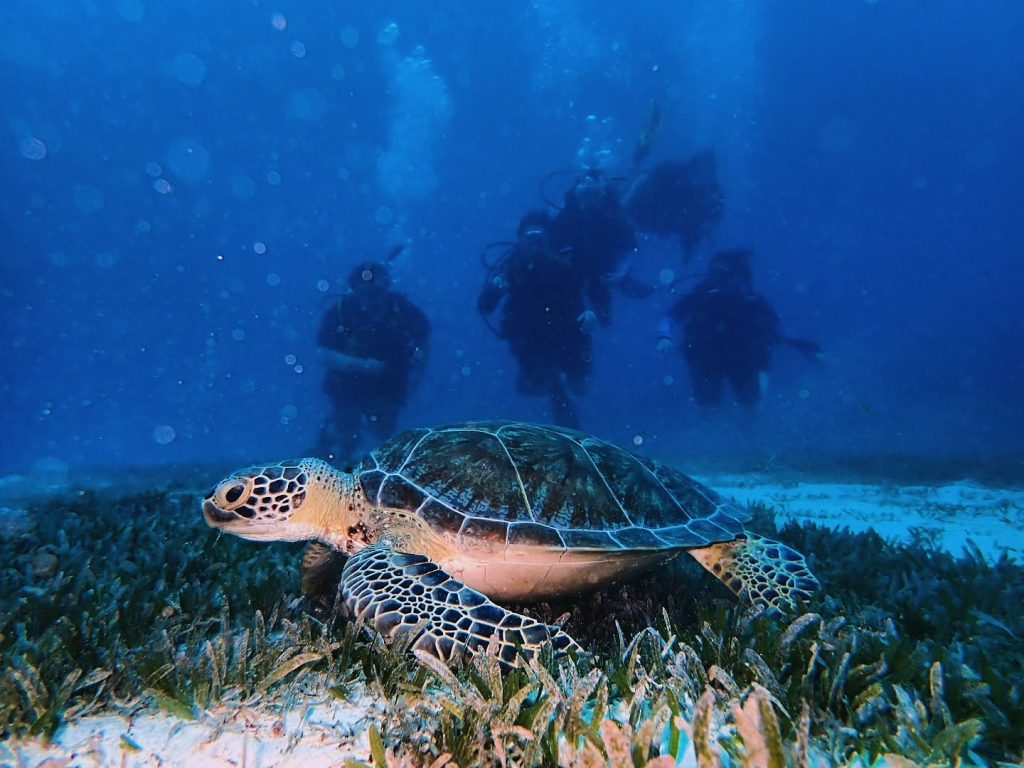
The island’s position beside deep Caribbean water creates dramatic underwater topography and varied marine ecosystems. Depending on the location and conditions, divers may encounter sea turtles, stingrays, reef sharks, barracuda, moray eels, octopuses, seahorses and schools of colourful tropical fish. Sponges, sea fans and different coral formations add texture to the landscape, although specific wildlife sightings are never guaranteed.
Cane Bay Wall is one of the best-known St. Croix dive sites. The reef begins in relatively shallow water before reaching a steep drop-off, allowing divers to observe the edge of a much deeper underwater canyon while remaining within their certification and planned depth limits. The site can be accessed by boat or from shore when conditions are suitable. Because the wall continues far beyond recreational depths, careful buoyancy, depth monitoring and professional guidance are essential.
Salt River Canyon provides another dramatic wall-diving experience. Formed by an ancient underwater river system, the area features two walls separated by deep blue water, along with canyons, overhangs and selected swim-throughs. Different routes can accommodate varying experience levels, but deeper sections and overhead environments require appropriate training. Guided St. Croix dive tours can select a route based on certification, currents, visibility and daily sea conditions.
Frederiksted Pier is popular for accessible diving and its concentration of marine life. The pier’s columns have developed into an artificial reef covered with sponges, corals and other organisms. Divers may find seahorses, octopuses, crustaceans and numerous reef fish around the structure. Shallow areas can suit newer divers, while underwater photographers often appreciate the site’s smaller marine subjects. Diving is not permitted when a cruise ship is docked, so access must be confirmed in advance.
Night diving at Frederiksted Pier or selected reef locations introduces visitors to a different side of the island’s marine environment. After sunset, divers may observe lobsters, crabs, octopuses and other nocturnal species that are less active during daylight. Night dives require suitable certification or supervised training, dependable lights and careful communication between buddies. Availability depends on the operator, weather and local access restrictions.
Wreck diving in St. Croix is centred largely around Butler Bay, where several sunken vessels rest at different depths. The collection includes tugboats, barges and larger ships that now provide habitat for marine organisms. Some wrecks may suit recreational divers, while deeper structures require advanced training and careful gas and depth planning. Entering a wreck should never be attempted without the appropriate specialised certification and an approved dive plan.
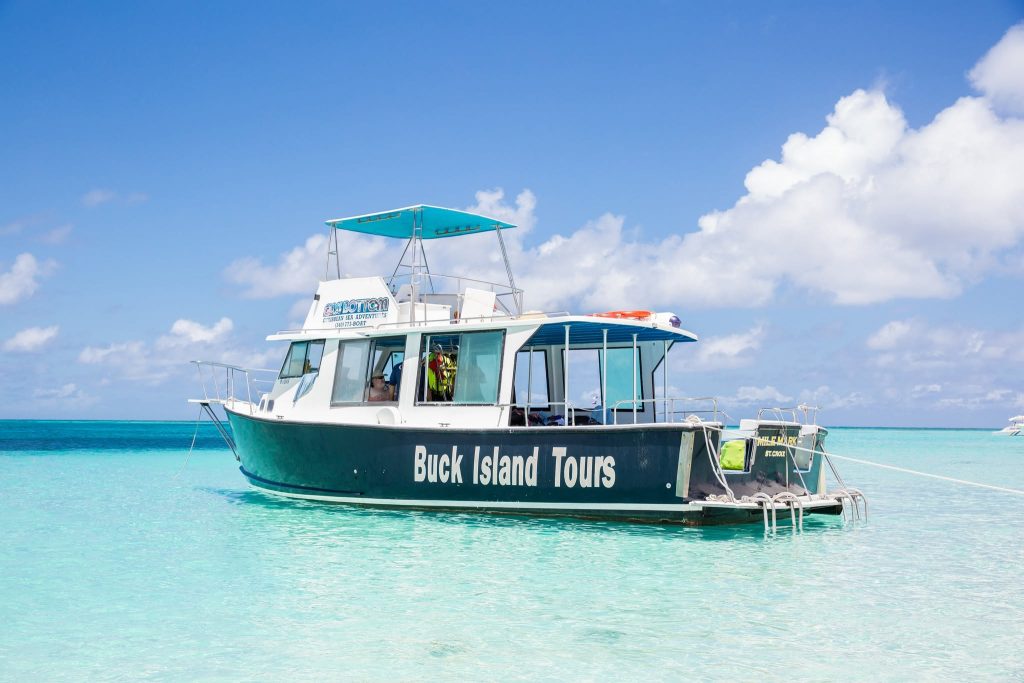
Buck Island Reef National Monument offers additional scuba opportunities within a federally protected marine environment. Scuba diving is permitted only in designated areas and at approved dive moorings; it is not allowed on the underwater snorkelling trail. Access is by boat, and visitors must follow current National Park Service rules concerning moorings, vessels and protected resources. These restrictions help preserve the monument’s coral gardens and fragile habitats.
First-time divers can enquire about supervised introductory scuba programmes offered by recognised St. Croix dive centres. These experiences generally include basic theory, equipment familiarisation, essential safety skills and a closely guided dive. An introductory session does not provide a permanent certification. Travelers wishing to continue independently can compare open-water courses, while certified divers may find advanced, specialty, rescue and professional-level training.
St. Croix diving excursions can include single-tank and two-tank boat trips, shore dives, wall dives, wreck tours, pier experiences, night dives and private charters. Certified participants should bring proof of certification and provide accurate information about recent diving activity. Anyone returning after a long break may be asked to complete a refresher. Operators determine suitable locations based on training, experience, group ability and current conditions.
Before booking, compare departure points, trip duration, group size and equipment inclusions. Ask whether tanks, weights, masks, fins, regulators, buoyancy-control devices, exposure protection and dive computers are included. Travelers should also confirm transportation, marine or fuel fees, refreshments, photography services, cancellation terms and weather policies. Site substitutions are common when wind, waves, visibility or currents make the original plan unsuitable.
St. Croix supports year-round diving, but water temperature, visibility and sea conditions vary. Complete all medical forms honestly and disclose cardiac, respiratory, ear, sinus or other concerns that may affect diving. Remain within personal certification and depth limits, follow the buddy system, monitor air and computer information, and observe the appropriate surface interval before flying or travelling to altitude.
Responsible diving protects the island’s coral reefs and marine life. Maintain careful buoyancy, keep fins and equipment away from the seabed, and never touch, chase or feed wildlife. Do not collect coral, shells or marine organisms, and follow all diver-flag, mooring and protected-area regulations. Choosing a safety-focused operator and respecting local rules will help preserve St. Croix’s underwater environment.
From the famous Cane Bay Wall and Salt River Canyon to Frederiksted Pier, Butler Bay wrecks and protected Buck Island sites, scuba diving in St. Croix offers experiences for many interests and certification levels. Compare reputable St. Croix dive centres, guided diving tours, equipment rentals and training programmes before travelling. Thoughtful planning, flexibility and responsible practices can make diving in St. Croix a safe and memorable highlight of a USVI vacation.
 DIRECT BUSINESS CONTACT
SCUBA DIVING
ST. CROIX EXPERIENCE
 DIRECT BUSINESS CONTACT
SCUBA DIVING
ST. CROIX EXPERIENCE
DIRECT BUSINESS CONTACT
SCUBA DIVING
ST. CROIX EXPERIENCE
DIRECT BUSINESS CONTACT
SCUBA DIVING
ST. CROIX EXPERIENCE
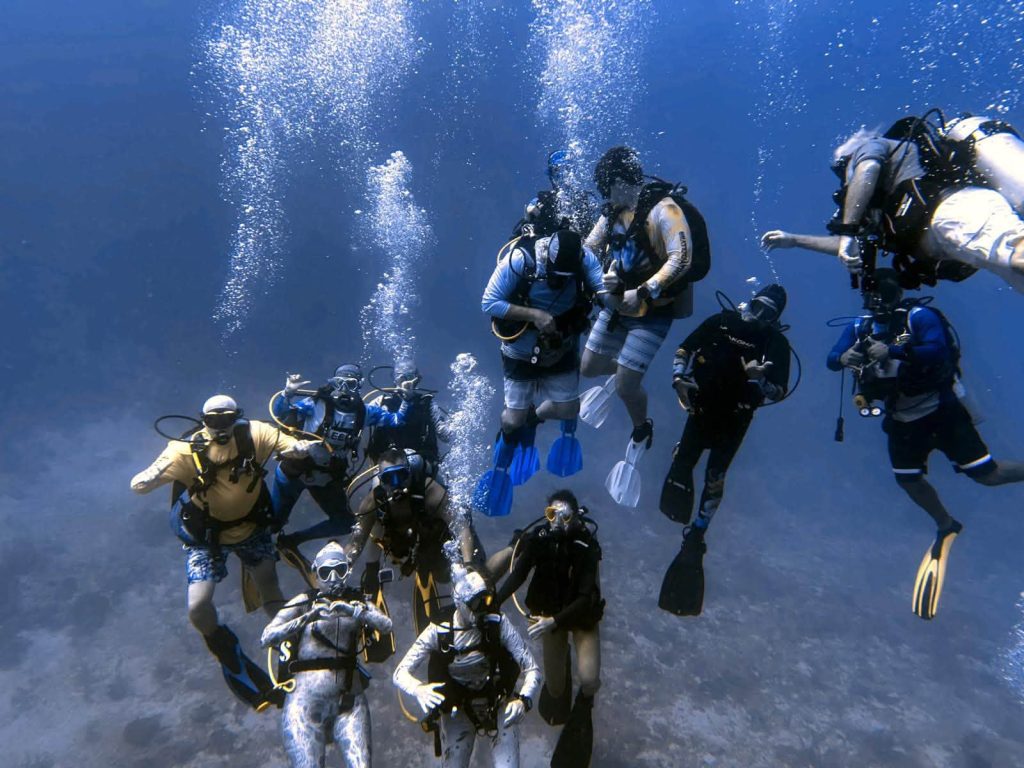
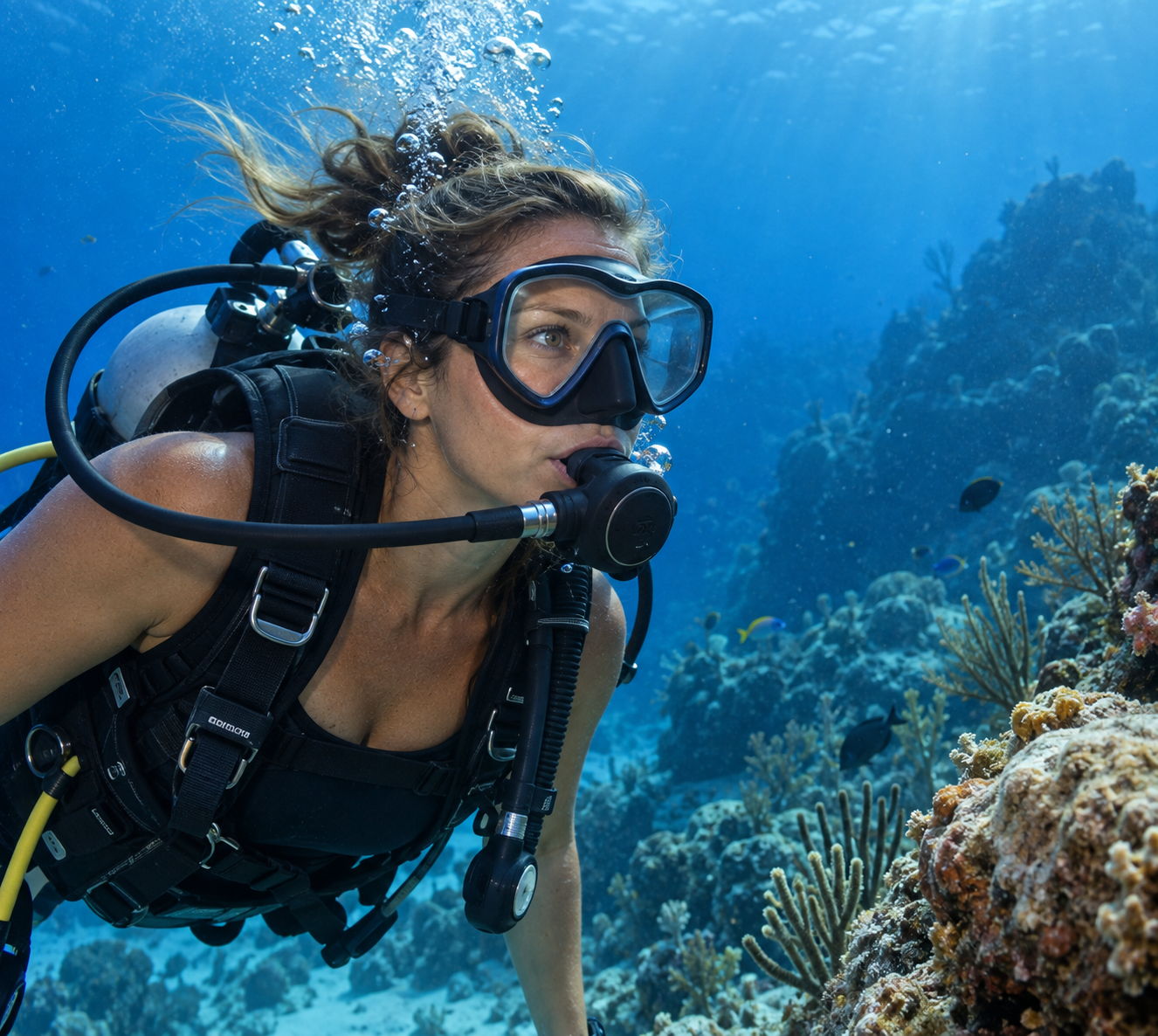

Explore celebrated St. Croix dive sites such as Cane Bay Wall and Salt River Canyon. Cane Bay allows divers to reach a steep coral-covered drop-off from shore or by boat, while Salt River features two dramatic walls, canyons, overhangs and selected swim-throughs. Routes vary in depth and difficulty, so divers should choose an experience suited to their certification, recent activity and comfort level.
Frederiksted Pier offers relatively accessible diving around columns covered with coral, sponges and marine organisms. It is especially popular with underwater photographers and divers searching for smaller species such as seahorses and octopuses. Diving is prohibited when a cruise ship is docked. Certified wreck divers can also explore the Butler Bay wrecks, where vessels resting at different depths provide options for recreational and advanced excursions.
St. Croix dive centres offer introductory scuba programmes, open-water certification, refresher sessions and advanced training. Certified visitors can compare shore dives, two-tank boat trips, reef tours, wall diving, night dives and private charters. First-time participants receive closely supervised instruction, but an introductory dive does not provide a permanent certification. Age, swimming and medical requirements should always be confirmed before booking.
Dramatic coral walls, historic wrecks, thriving reefs and accessible shore-entry locations make diving in St. Croix, USVI, suitable for many interests and certification levels. Visitors can choose from guided boat trips, shore dives, pier adventures, night excursions and scuba courses while exploring habitats shared by tropical fish, rays, sea turtles, reef sharks, octopuses and other Caribbean marine life.
Reputable St. Croix diving tours provide trained guides, safety briefings and properly maintained rental equipment. Divers should follow the buddy system, remain within personal depth limits and respect instructions regarding currents, visibility and post-dive flying intervals. Maintain careful buoyancy, avoid touching coral or wildlife and follow all protected-area regulations. At Buck Island Reef National Monument, scuba diving is permitted only in designated areas and not on the underwater snorkelling trail.
Explore trusted St. Croix dive centres, guided wall and reef dives, Frederiksted Pier excursions, Butler Bay wreck adventures, equipment rentals and certification courses. Compare experience requirements, departure points, gear inclusions and trip formats to plan safe and memorable scuba diving in St. Croix, USVI.
St. Croix has shore dives, reef and wall dives, and guided boat trips. Compare conditions, access and depth with a local dive shop before choosing a site.